Top 7 Bakery Packaging Materials Every Bakery Should Consider in 2026
Top 7 Bakery Packaging Materials Every Bakery Should Consider in 2026
Bakery Packaging Guide 2026
Top 7 Bakery Packaging Materials Every Bakery Should Consider in 2026
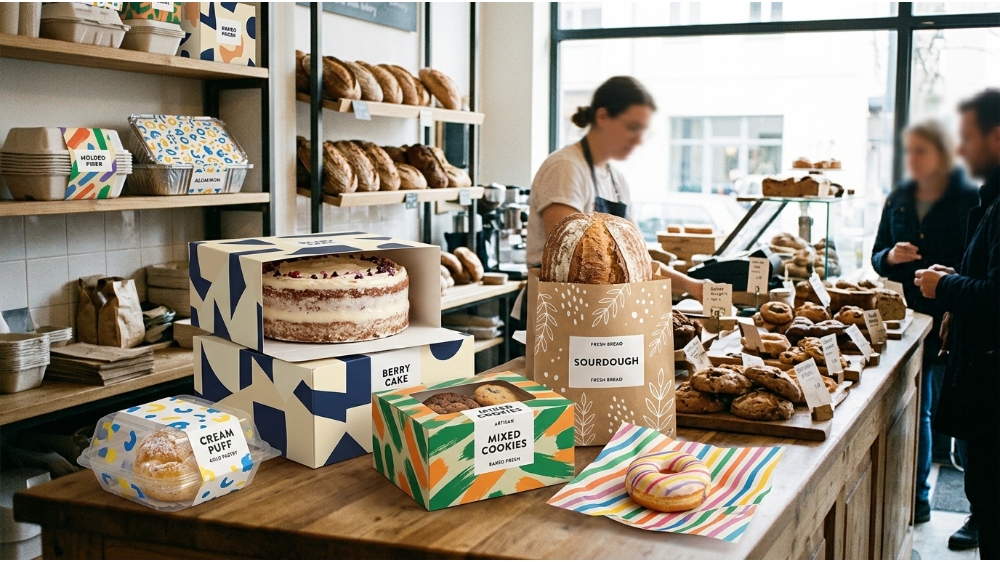
The bakery packaging landscape is shifting. Between tightening regulations, evolving consumer expectations, and the relentless pursuit of freshness, the materials you choose matter more than ever. This guide breaks down the seven leading bakery packaging materials—their strengths, limitations, and ideal applications—so you can make informed decisions that protect your products and your brand.
In 2026, bakery packaging is no longer just about getting product from point A to point B. It’s about preserving freshness, communicating brand values, meeting sustainability goals, and navigating evolving food contact regulations—all while managing costs and maintaining operational efficiency.
The global bakery packaging market continues to evolve rapidly, driven by three forces: regulatory pressure to reduce single-use plastics, consumer preference for recognizable sustainable materials, and the technical challenge of keeping baked goods fresh across longer supply chains. This guide examines the seven most common bakery packaging materials available today, with practical insights on when and how to use each.
1. Paperboard — The All-Purpose Bakery Box
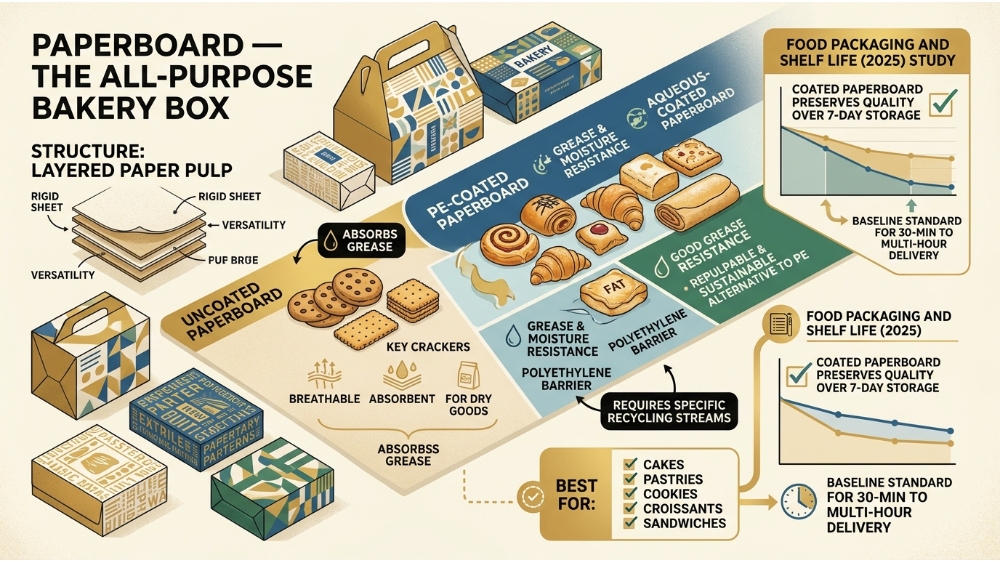
Paperboard is the workhorse of bakery packaging. Made from multiple layers of paper pulp pressed into a rigid sheet, it provides structural integrity for everything from cake boxes to pastry clamshells. Its primary advantage is versatility: paperboard can be coated for grease resistance, printed with high-quality graphics, and recycled in most municipal streams.
The material’s performance depends heavily on its coating. Uncoated paperboard is breathable and absorbent—ideal for short-term storage of dry baked goods like cookies and crackers. PE-coated paperboard adds a polyethylene barrier that resists grease and moisture, making it suitable for pastries, croissants, and items with higher fat content. Aqueous-coated paperboard offers a more sustainable alternative to PE, providing good grease resistance while remaining repulpable.
Research published in Food Packaging and Shelf Life (2025) evaluated compostable and conventional films for bakery goods, finding that coated paperboard consistently outperformed uncoated alternatives in preserving product quality over 7-day storage periods. For bakeries operating with delivery windows of 30 minutes to several hours, coated paperboard is the baseline standard.
Best for: Cakes, pastries, cookies, croissants, and sandwiches.
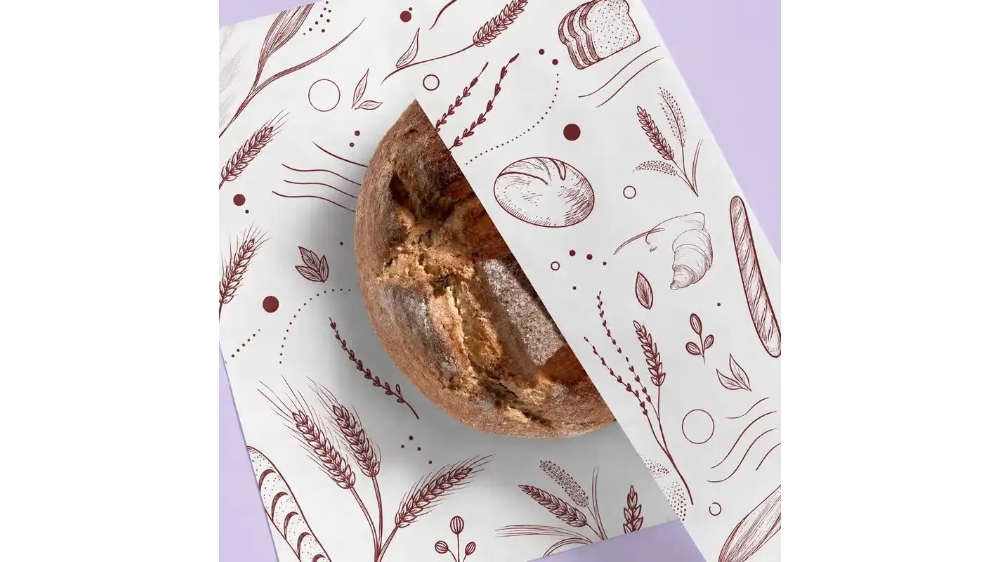
Kraft paper brings a natural, artisanal aesthetic that resonates with consumers seeking authentic bakery experiences. Its brown, unbleached appearance signals sustainability and craftsmanship, while its porous structure allows moisture to escape—a critical feature for bread and artisan baked goods.
The breathability of kraft paper is both its strength and its weakness. For crusty bread and rustic loaves, the ability to release steam prevents the dreaded soggy crust that plagues bread packaged in plastic. However, for items with higher moisture content or fillings, kraft paper offers insufficient barrier protection, leading to staleness or sogginess within hours.
The FDA maintains comprehensive guidance on food contact materials, including paper and paperboard products used in bakery packaging. Kraft paper is generally recognized as safe when manufactured according to specifications and remains a trusted option for bakeries worldwide.
For bakeries, kraft paper works best as: bread bags, pastry sleeves, and interior wraps inside secondary packaging. When paired with a grease-resistant inner layer or used for dry goods, it delivers both performance and brand appeal.
Best for: Artisan bread, baguettes, rolls, dry cookies (kraft paper cookies box), and as wrapping for display items.
Key limitation: Poor grease and moisture resistance for high-fat or high-moisture items.
3. PLA (Polylactic Acid) — The Bio-Based Plastic Alternative
PLA (polylactic acid) represents the most commercially viable bio-based plastic for bakery packaging. Derived from fermented plant starch—typically corn or sugarcane—PLA offers the clarity and rigidity of traditional petroleum-based plastics with a significantly reduced carbon footprint.
For bakeries, PLA shines in cold applications: clear domes for decorated cakes, clamshells for pastries, and windows in paperboard boxes that allow customers to see the product inside. Its optical clarity rivals PET, while its compostability (in industrial facilities) appeals to environmentally conscious consumers. Click to explore PLA bakery packaging
However, PLA has critical limitations that bakers must understand. First, it cannot withstand temperatures above 110°F (43°C) without deforming—making it unsuitable for hot bakery items or warming ovens. Second, PLA requires industrial composting conditions (high heat and humidity) to biodegrade; it will not break down in home compost or landfill environments. Third, research published in Materials Today Chemistry (2026) indicates that while bio-based polymers show promise, their mechanical properties often lag behind conventional plastics, requiring careful formulation for food-contact applications.
Despite these limitations, PLA remains a strong choice for bakeries prioritizing sustainability in cold-food applications. When paired with clear messaging about proper disposal, PLA packaging can enhance brand perception while meeting regulatory requirements for reduced plastic use.
Best for: Cold pastries, decorated cakes, fruit tarts, and display packaging.
Molded fiber packaging—made from bagasse (sugarcane fiber), bamboo, wheat straw, or recycled paper—has emerged as the leading compostable alternative for bakery packaging. Its rapid renewability and genuine compostability (both home and industrial) address the sustainability concerns that PLA and other bioplastics cannot fully resolve.
The material’s structure is inherently breathable, which benefits bread and pastry products by allowing moisture to escape. However, this breathability becomes a liability for greasy or moist items unless the fiber is coated with a barrier layer. Recent innovations in biodegradable biocomposites formulated with agricultural residues and natural fibers demonstrate the potential for waste streams to become high-performance packaging materials.
Molded fiber excels in applications where product protection and compostability are equally important: bakery takeout clamshells, cake bases, and compartmentalized trays for assorted pastries. Its natural, textured appearance also communicates a strong sustainability message that resonates with today’s consumers.
The trade-off is cost and performance consistency. Molded fiber typically costs 20-40% more than equivalent paperboard options, and quality can vary significantly between manufacturers. For bakeries committed to zero-waste operations, however, the investment often pays off in brand loyalty and regulatory compliance.
Best for: Takeout clamshells, pastry trays, cake bases, and eco-focused branding.
Key limitation: Higher cost; requires barrier coating for grease-sensitive items.
5. PET (Polyethylene Terephthalate) — The Clear Display Choice
PET (polyethylene terephthalate) is the most common clear plastic used in food packaging, prized for its optical clarity, impact resistance, and recyclability. For bakeries, PET enables the “see-and-buy” experience that drives impulse purchases—customers can view the product in its entirety before committing to purchase. Click to explore PET window bakery packaging
The material’s moisture barrier properties are excellent, making it suitable for items that need protection from ambient humidity. PET also offers good grease resistance and can be thermoformed into virtually any shape, from simple domes to complex multi-compartment trays.
From a regulatory perspective, PET is FDA-approved for food contact and widely accepted in municipal recycling programs. Its established recycling infrastructure gives it an advantage over newer bioplastics that lack collection and processing systems.
However, PET’s sustainability profile is increasingly scrutinized. While technically recyclable, actual recycling rates remain low globally, and the material is derived from petroleum. For bakeries targeting zero-waste credentials, PET may conflict with brand messaging even when technically compliant with regulations.
Best for: Decorated cakes, premium pastries, items requiring visual merchandising.
Aluminum foil and trays occupy a unique niche in bakery packaging: unmatched barrier properties and heat retention. For frozen baked goods, heat-and-eat items, and products requiring complete moisture and oxygen protection, aluminum is the material of choice.
Aluminum’s key advantage is its complete barrier to moisture, oxygen, and light—the three primary drivers of food degradation. This makes it ideal for frozen bakery products that may be stored for months before consumption. Additionally, aluminum is infinitely recyclable without loss of quality, giving it a strong sustainability profile when recycling systems are in place.
The material’s drawbacks are significant: high embodied energy in production, potential for flavor transfer with acidic foods, and consumer perception issues (some view aluminum as “less natural” than paper alternatives). For bakeries, aluminum works best as a functional layer rather than a primary packaging material—foil-lined paperboard or aluminum trays inside paperboard sleeves.
Best for: Frozen baked goods, heat-and-eat items, high-grease products.
Key limitation: High production energy; potential flavor interactions.
7. Wax-Coated Paper — The Grease-Resistant Specialist
Wax-coated paper occupies a specific but important space in bakery packaging: high-grease, short-hold applications where cost is a primary consideration. The wax coating—typically paraffin or a blend of food-grade waxes—creates a moisture and grease barrier that prevents oil from soaking through the paper.
For bakeries, wax-coated paper is the go-to solution for: donut bags, cookie pouches, pastry liners, and interleaving sheets between layers of baked goods. Its cost-effectiveness and reliable grease resistance make it a staple in high-volume operations.
The material’s primary limitation is recyclability. The wax coating complicates the recycling process, and many municipal programs do not accept wax-coated paper. Recent sustainability frameworks emphasize single-material packaging or packaging that is easy to separate to improve recyclability—a standard that wax-coated paper struggles to meet.
For bakeries, the decision to use wax-coated paper comes down to a trade-off: lower cost and reliable performance against recyclability challenges. In many cases, a PE-coated paperboard offers similar performance with better recycling compatibility, albeit at a slightly higher price point.
Best for: Donuts, cookies, fried bakery items, and as interleaving sheets.
Key limitation: Poor recyclability due to wax coating.
Material Comparison Table: Bakery Packaging at a Glance
How to Choose the Right Bakery Packaging for Your Business
Selecting the optimal packaging material requires evaluating four factors in concert: product characteristics, hold time, brand positioning, and sustainability goals.
Start with your product. A crusty artisan bread needs breathable kraft paper to maintain its crust. A decorated birthday cake requires the structural integrity and visibility of paperboard or PET. A greasy donut demands a grease barrier—wax-coated paper or PE-coated board. Match the material to the product’s moisture content, fat content, and fragility.
Consider your hold time. For immediate consumption (under 30 minutes), almost any material works. For delivery windows of 30-90 minutes, coated paperboard or molded fiber with barrier coating becomes essential. For frozen or shelf-stable products, aluminum or PET provides the necessary long-term protection.
Align with your brand. A rustic artisan bakery communicates authenticity through kraft paper and unbleached materials. A premium patisserie showcases products through clear PET or high-quality printed paperboard. An eco-focused brand can differentiate with molded fiber and compostable materials—but must educate customers on proper disposal.
Evaluate sustainability holistically. The most sustainable packaging is the one that preserves the food inside. Food waste has a significantly higher environmental impact than packaging production. Choose materials that protect your products effectively while aligning with your brand’s environmental commitments.
Notes:Maibao Packaging can provide one-stop bakery packaging solution, from 0 to further, for your businesses.
Quick selection guide:
Bread & artisan loaves: Kraft paper or uncoated paperboard
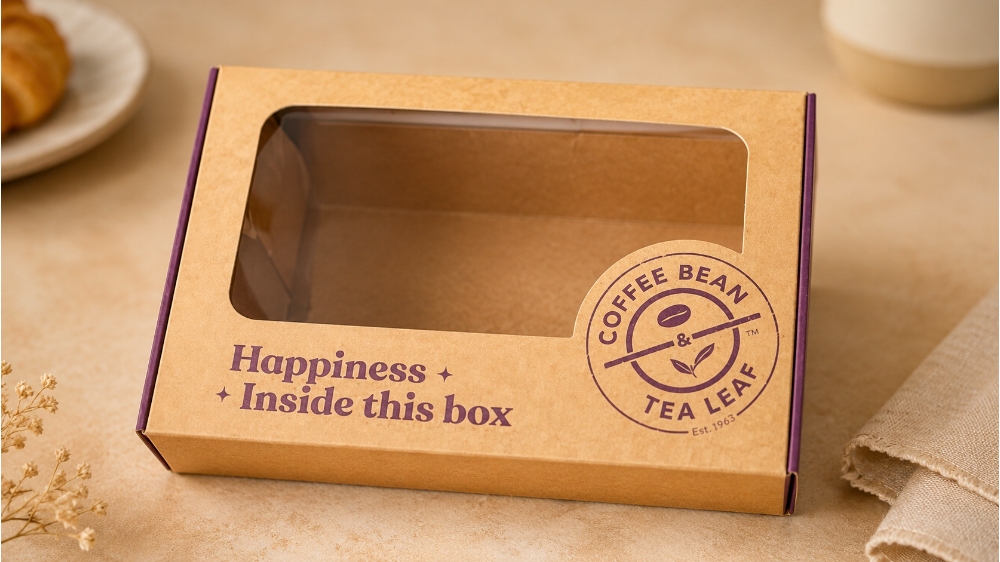
Cakes & pastries (display): PET or paperboard with window
Pastries & croissants (takeout): Coated paperboard or molded fiber
Cookies & dry goods: Uncoated paperboard or kraft
Donuts & fried items: Wax-coated paper or PE-coated board
Frozen baked goods: Aluminum or PET with barrier properties
Eco-focused branding: Molded fiber or PLA (with proper disposal messaging)
Need custom bakery packaging that fits your brand and products?
Talk to a packaging specialist about matching materials, printing, and sustainability goals to your bakery’s specific needs.
What is the most sustainable bakery packaging material?
Molded fiber (bagasse, bamboo, wheat straw) and uncoated kraft paper are the most sustainable options, being renewable, compostable, and widely recyclable. However, sustainability must be balanced with product protection—a material that fails to preserve freshness creates food waste, which has a higher environmental impact than packaging itself.
Is PLA bakery packaging truly biodegradable?
PLA is commercially compostable but requires industrial composting conditions (high heat and humidity) to break down. It will not biodegrade in home compost or landfill environments. Bakeries using PLA should clearly communicate disposal requirements to customers.
What bakery packaging is best for delivery?
For delivery windows of 30-90 minutes, coated paperboard or molded fiber with a grease-resistant barrier provides the best balance of protection and sustainability. For longer delivery times, consider two-component systems: a vented inner container inside an insulated outer bag.
How do I know if my bakery packaging is food-safe?
All food-contact packaging must comply with FDA regulations for materials intended to contact food. Reputable suppliers provide documentation of compliance. Always verify that your packaging materials are manufactured according to food-grade specifications.
Post time:
Aug-04-2026
For inquiries about our products or pricelist, please leave your email to us and we will be in touch within 24 hours.