

Customized Disposable Food Packaging Hamburger Box Paper Burger Box Fast Food Takeaway Box
Our customized burger boxes are designed for foodservice brands that need reliable protection, practical handling, and consistent brand presentation in takeaway packaging. Made from food-grade white cardboard, kraft paper, or corrugated paper, these boxes can be customized in size, structure, printing, and finishing to match different burgers and foodservice requirements. Optional PE or PLA coating can provide additional oil and moisture resistance, while CMYK or PMS printing helps create recognizable burger packaging for your brand. From everyday fast-food orders to premium takeaway meals, we develop custom burger boxes around your actual food, operational, and branding needs.

Flexible Materials, Sizes, and Food Protection

Our custom burger boxes are available in food-grade white cardboard, kraft paper, or corrugated paper, with optional PE or PLA coating according to your application. Small, medium, large, and fully customized dimensions are available to match different burger sizes, fillings, and serving styles. Material and structure can be selected based on food weight, grease, moisture, temperature, and expected holding time. This approach helps us develop practical burger box packaging that keeps food stable during takeaway and delivery while supporting the operational needs of restaurants, fast-food chains, wholesalers, and distributors.
Reliable Burger Packaging with Custom Branding

Designed for greasy, moist, hot, and cold foods, our burger boxes can be developed with suitable paper structures and barrier options to support different foodservice conditions. Beyond protection, we provide CMYK and PMS printing to reproduce brand colors, logos, and packaging artwork consistently. Additional finishing options include gloss or matt lamination, Spot UV, gold or silver foil stamping, embossing, and die-cut windows. These capabilities allow restaurants, food brands, and packaging distributors to create recognizable burger packaging that combines practical food protection with a professional brand presentation.
Sample Approval and Efficient B2B Production

We support customers from sample evaluation through mass production, helping reduce packaging risks before a large order is placed. Free in-stock samples are available for checking material feel, folding, closure, size, and overall fit with the actual food. For customized orders, the structure and specifications can be reviewed before production. With an MOQ of 10,000 pieces per size and design and a standard lead time of 10–15 working days, we provide a clear production process for restaurant brands, importers, wholesalers, and distributors seeking dependable hamburger box supply.
| Material | Food Grade White Cardboard / Kraft Paper / Corrugated Paper with or without PE/PLA coating |
| Dimensions | Small / Medium / Large sizes or fully customized dimensions |
| Color | CMYK Printing, PMS Printing as your request |
| Advantages | 100% Food Grade, Durable Structure, Oil & Water Resistant, Ideal for Hot and Cold Foods, Eco-friendly |
| MOQ | 10,000 PCS (each size per design) |
| Sample Fee | Samples in stock are FREE |
| Lead Time | 10–15 working days |
| Product Process | Gloss/Matt Lamination, Spot UV, Gold/Silver Foil Stamping, Embossing, Die-cut Window |
| Application | Burgers, Sandwiches, Cakes, Pastries, Takeaway Meals, Snacks, and Other Food Packaging |
All-round Custom Options
Showcasing Our Custom Paper Box Creations
See how our custom paper bags bring brands to life with unique designs, quality craftsmanship, and eco-friendly materials.


Applications
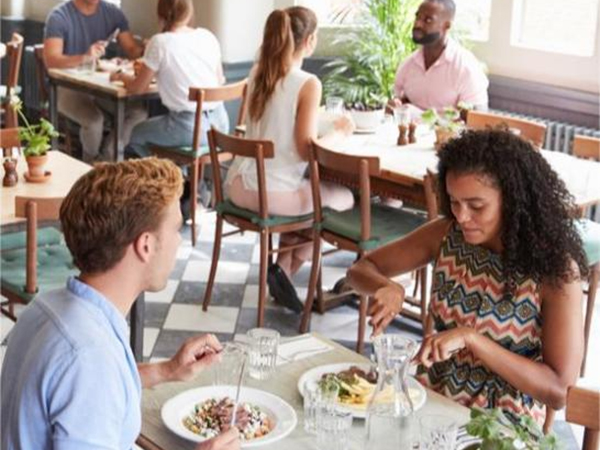
Restaurant Dine-in
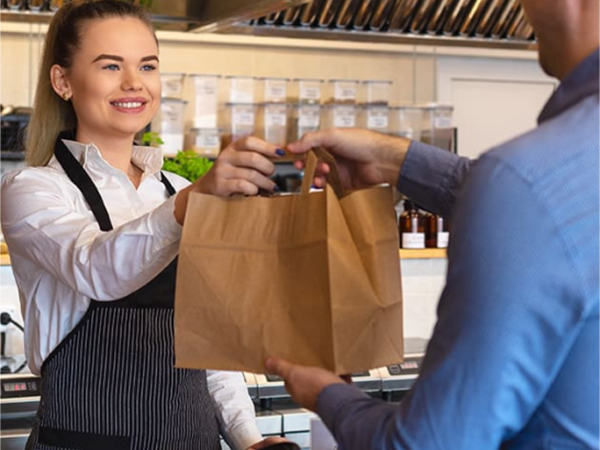
Food Take Away

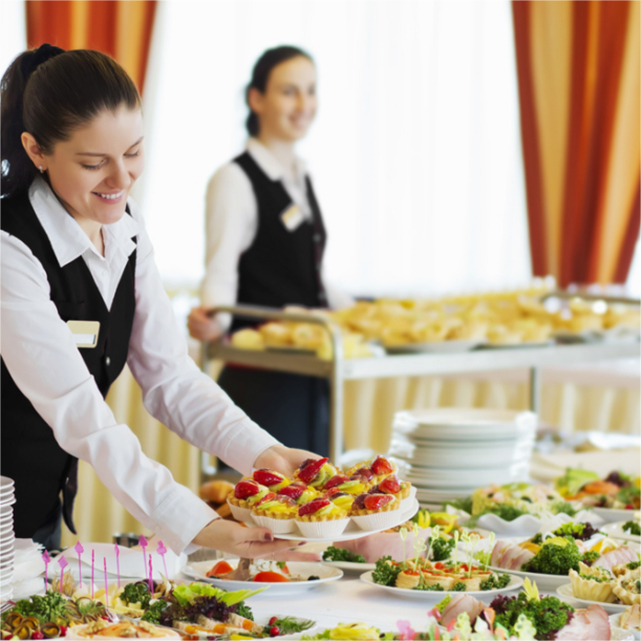
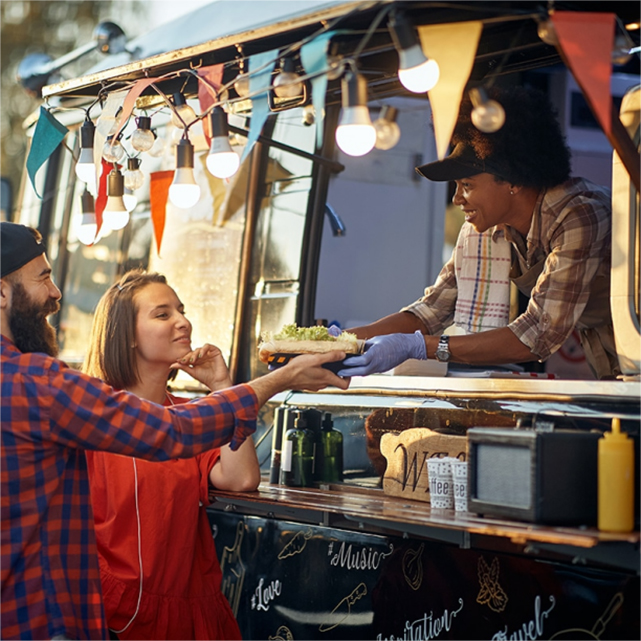
Food Delivery
Catering Hospitality
Food Truck
Multi-Certifications for Trust

In-house Production Facility
We are a trusted disposable packaging manufacturer with three self-owned production facilities, ensuring consistent quality, faster lead times, and full control from raw materials to finished products. Our in-house capacity allows us to meet high-volume orders while delivering tailored solutions for every brand.
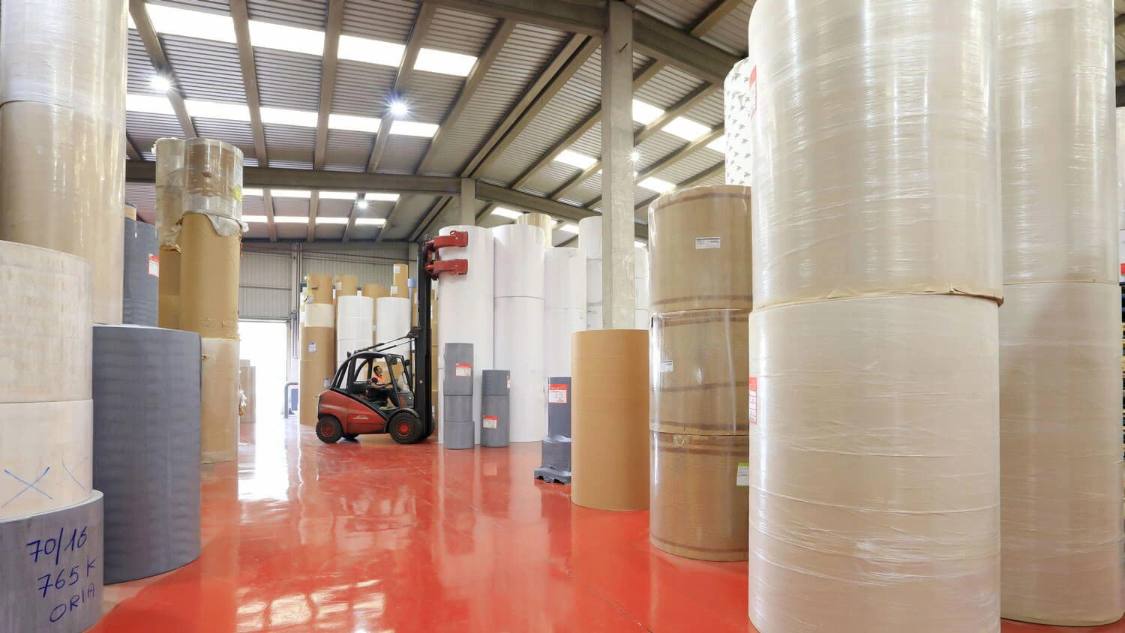
We work with food-grade white cardboard, kraft paper, and corrugated paper selected according to the food type, weight, grease, moisture, and holding conditions. Optional PE or PLA coating can be applied when additional oil or moisture resistance is required. By maintaining an organized raw material supply, we support stable production for both standard and custom burger boxes. This flexible material capability allows us to develop packaging for burgers, sandwiches, takeaway meals, snacks, and other foodservice applications while maintaining consistent specifications across repeat orders.
Our printing and finishing capabilities turn burger packaging into a consistent part of your brand identity. We support CMYK and PMS printing for logos, artwork, and brand colors, with additional options including gloss or matt lamination, Spot UV, gold or silver foil stamping, embossing, and die-cut windows. By managing printing and finishing requirements within the production process, we can maintain better control over color, artwork placement, and surface details. This enables restaurants, food brands, wholesalers, and distributors to develop distinctive packaging for different product lines.
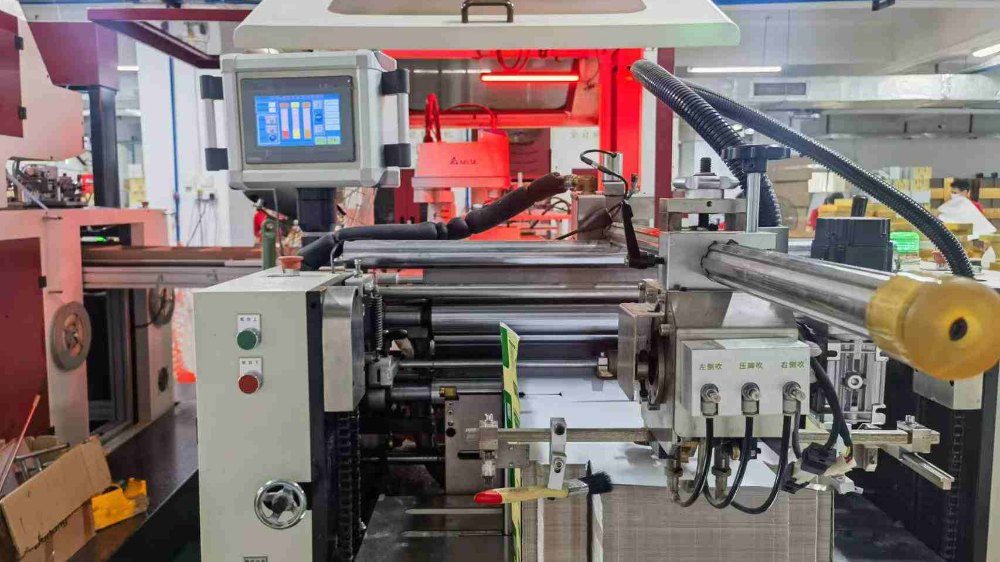
Our production process is designed around accurate cutting, folding, forming, and structural consistency. For different burger boxes, we can produce small, medium, large, or fully customized dimensions based on the actual food size and filling height. We carefully control key structural details such as panel dimensions, folding lines, closing performance, and overall rigidity. This helps ensure that the finished box fits the intended burger and performs reliably during takeaway, stacking, and delivery. Our in-house production approach also supports consistent quality across repeat custom orders.
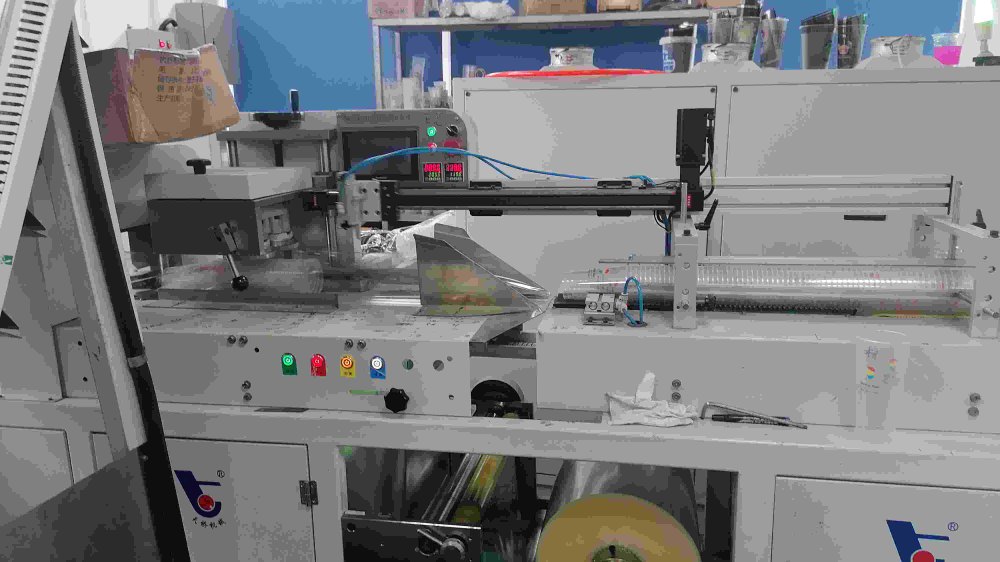
To improve production flexibility, we organize materials, die-cut components, and semi-finished packaging according to different order requirements. This production buffer helps us respond efficiently when customers need repeat hamburger box orders or time-sensitive promotional packaging. Instead of treating every order as an isolated project, we can coordinate material preparation, printing, finishing, and final forming more efficiently. This approach helps support the standard 10–15 working day lead time while giving B2B customers a more predictable production schedule for seasonal campaigns, new product launches, and ongoing foodservice supply.
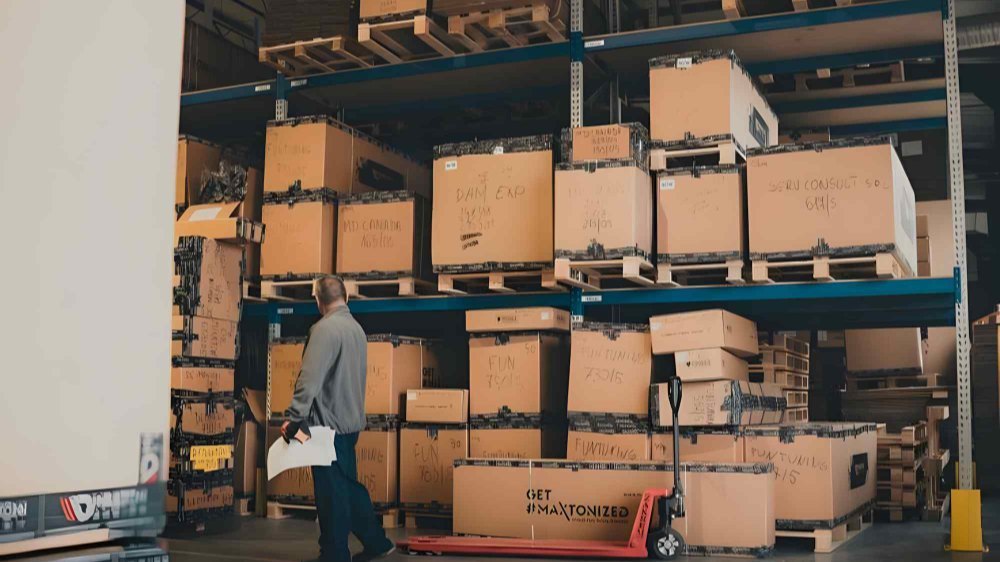
Quality control is integrated throughout our burger box packaging production process rather than being limited to final inspection. We check incoming paper materials, printing quality, die-cut accuracy, folding performance, structural integrity, and finished dimensions. For customized orders, we can also evaluate the physical sample before mass production to confirm the actual fit and handling requirements. This multi-stage approach helps identify production issues earlier and maintain consistent specifications across batches, giving restaurant brands, importers, wholesalers, and distributors greater confidence in their packaging supply.
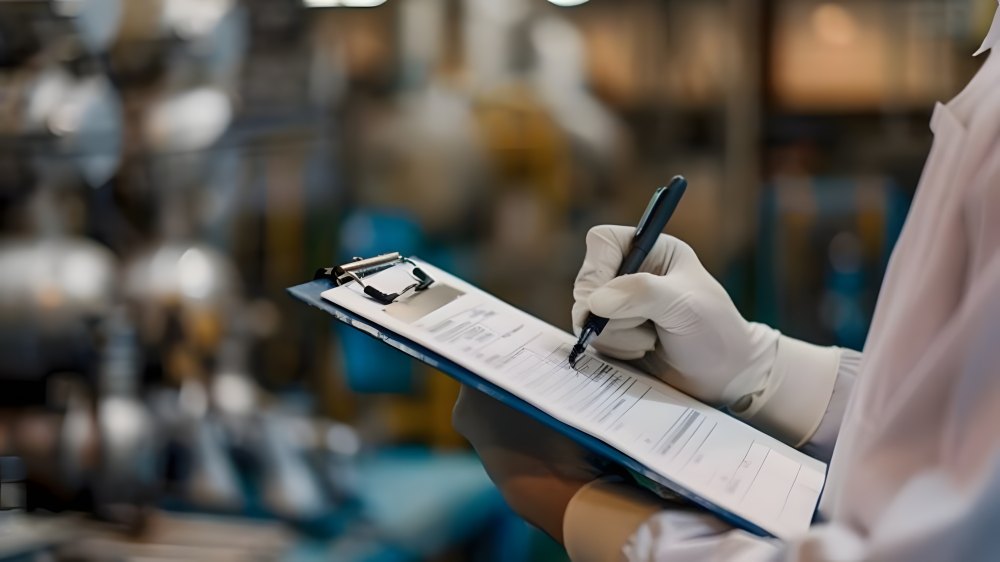
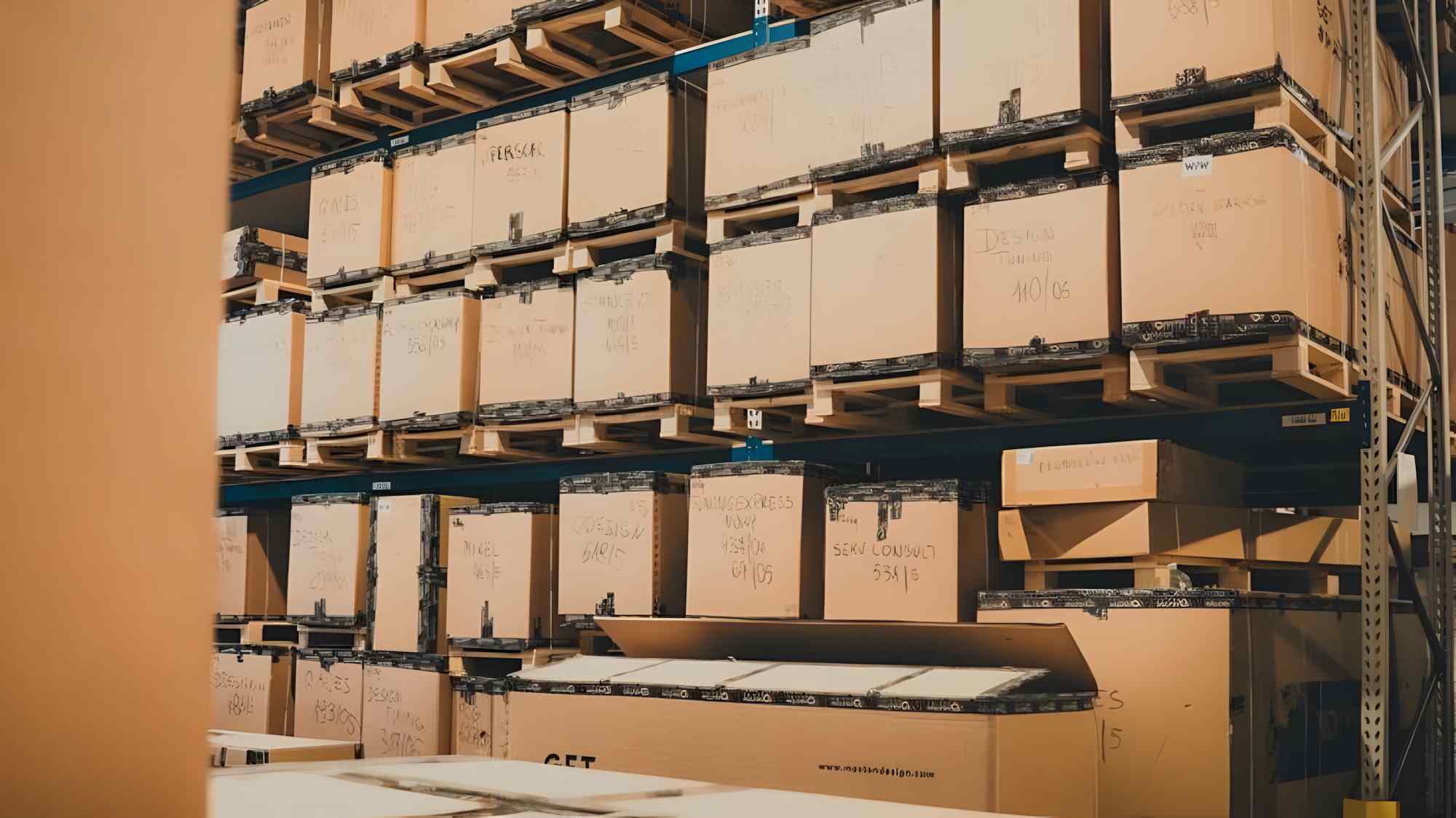
After production, finished burger boxes are systematically packed and stored to protect them from dust, moisture, and unnecessary handling before shipment. Our warehouse management supports different sizes, designs, and customized packaging specifications, helping keep orders organized from production completion to dispatch. With an MOQ of 10,000 pieces per size and design and a standard lead time of 10–15 working days, we provide a clear supply process for restaurants, fast-food chains, packaging wholesalers, importers, and distributors. This organized workflow helps us handle repeat orders and larger-volume B2B packaging programs more efficiently.

We are proud to partner with brands in Food-service industry across the globe.
A stronger board structure is usually better for heavier, taller, or wetter burgers. Material selection should consider the burger’s weight, filling height, grease level, moisture, temperature, and expected holding time. For a standard burger served shortly after preparation, a regular food-grade paperboard structure may be sufficient. For loaded burgers, delivery orders, or longer holding times, a stronger board or suitable coating may be more appropriate. Before ordering custom burger boxes, test the actual burger in the proposed structure. This helps confirm rigidity, fit, and handling performance for your restaurant or delivery operation.
A PE coating is generally the practical choice when consistent grease and moisture resistance is the main requirement. PLA can be considered when a plant-based coating option is part of your packaging specification, but the final choice should also reflect food temperature, moisture exposure, holding time, and disposal requirements. For hot, greasy burgers or delivery applications, barrier performance should be evaluated with the actual food rather than selected only by coating type. When developing burger packaging, confirm the coating specification with your packaging supplier and test the finished box under real operating conditions before placing a large order.
A controlled fit is usually the better choice for burger box packaging. The box should provide enough clearance for normal variations in burger size, toppings, and filling height without allowing excessive movement inside the package. A box that is too tight may compress buns or toppings, while excessive space can cause the burger to shift during delivery. For restaurant takeaway and delivery, evaluate the assembled burger rather than relying only on nominal dimensions. We recommend checking the fit with the actual food, including sauces and toppings, to establish a practical clearance that protects both presentation and handling.
Yes, premium finishing can affect how a burger box folds and performs if it is not considered during structural design. Foil stamping, Spot UV, lamination, and heavy printed coverage may interact with fold lines, locking tabs, or die-cut areas. The key is to place decorative treatments where they will not interfere with forming or closure. For custom burger boxes, review the artwork together with the dieline before production. A physical sample is especially useful when the design includes multiple finishing processes. This allows you to check folding, lid closure, surface appearance, and overall usability before approving the final production version.
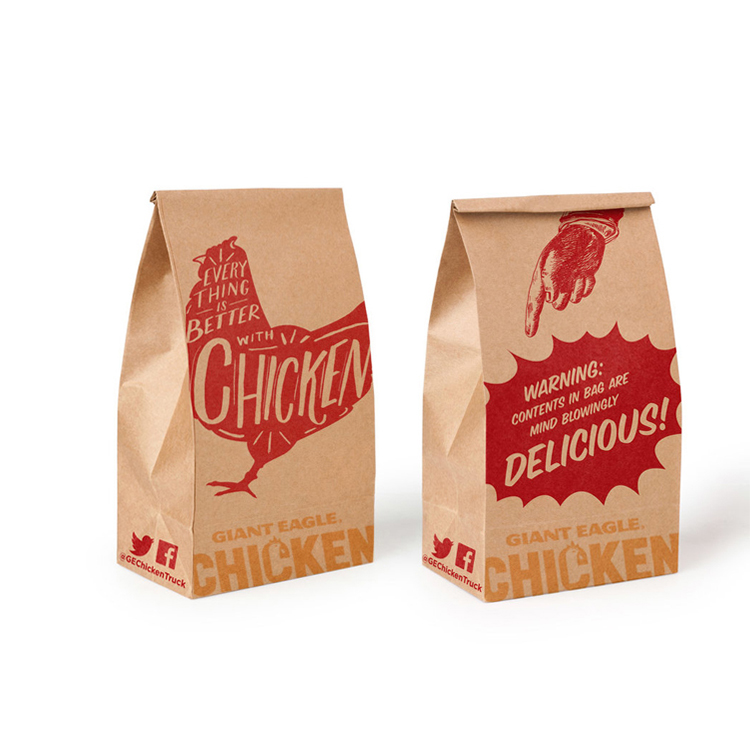
SOS Paper Bags
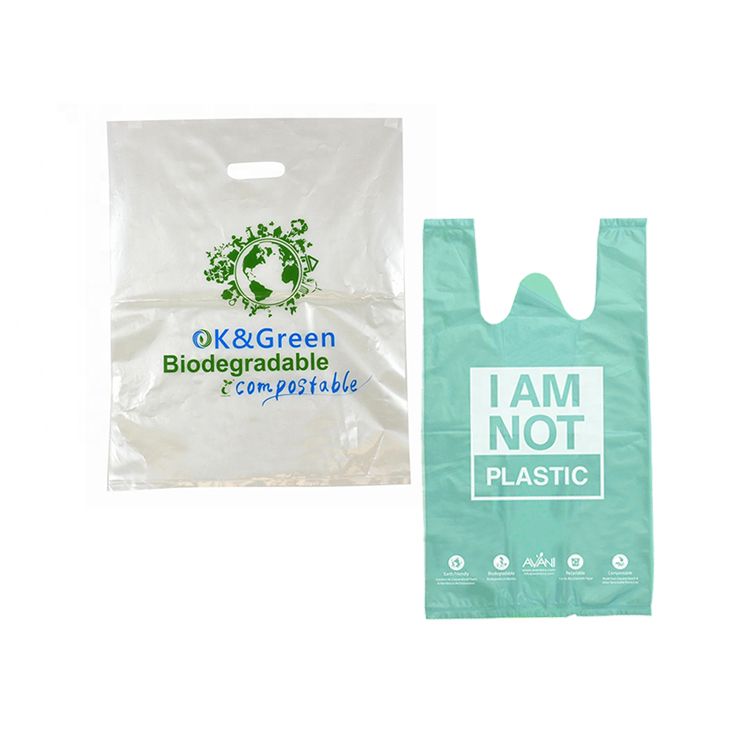
Biodegradable Takeaway Bags
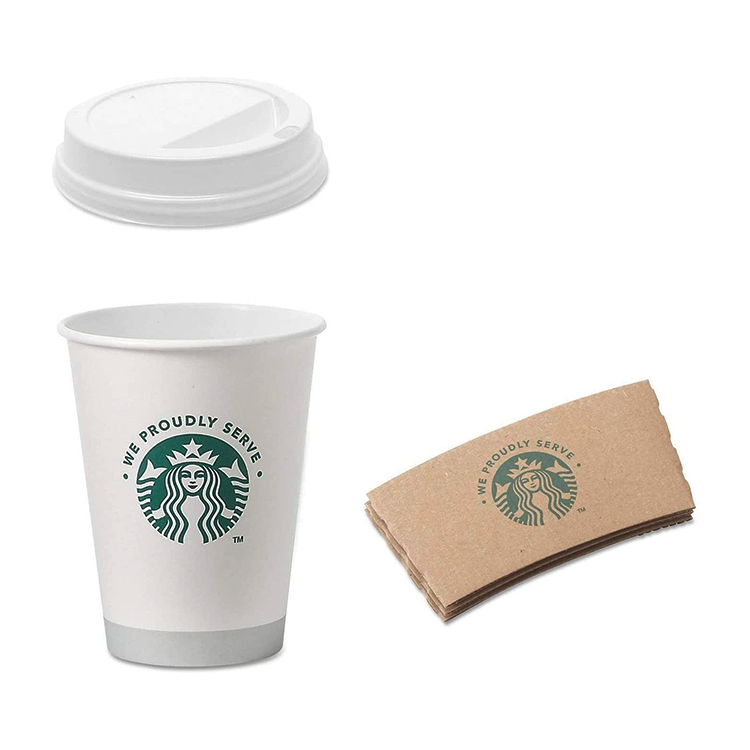
Paper Cups
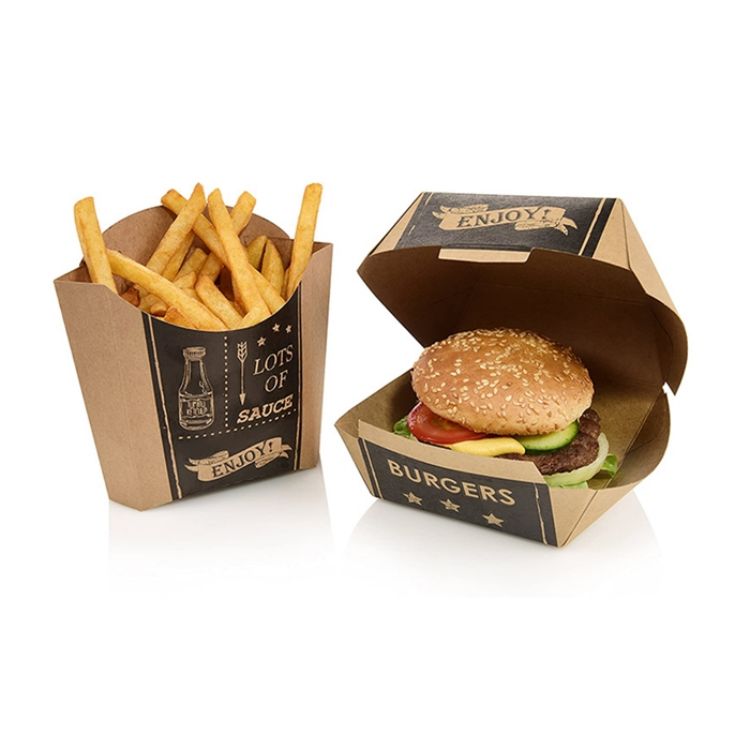
Food Boxes
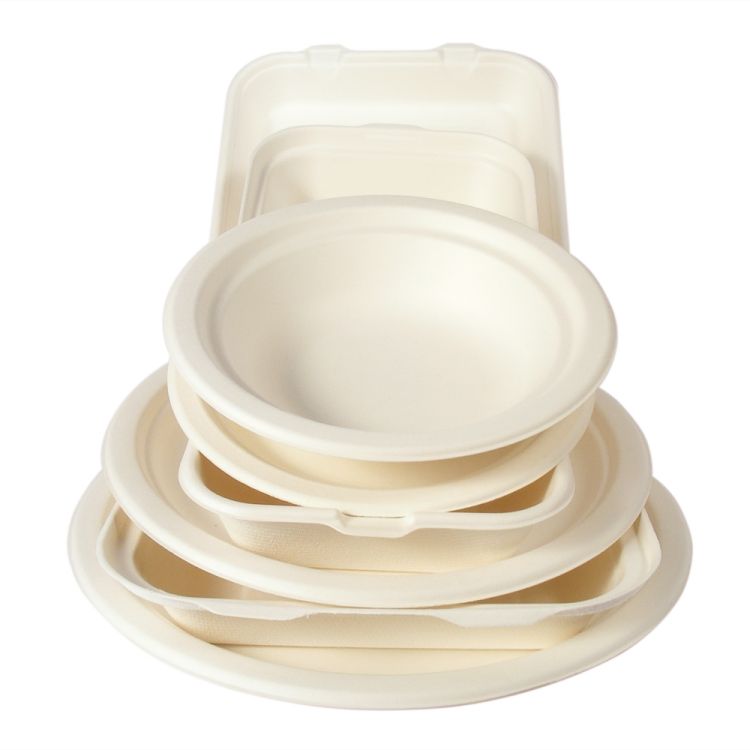
Bagasse Products
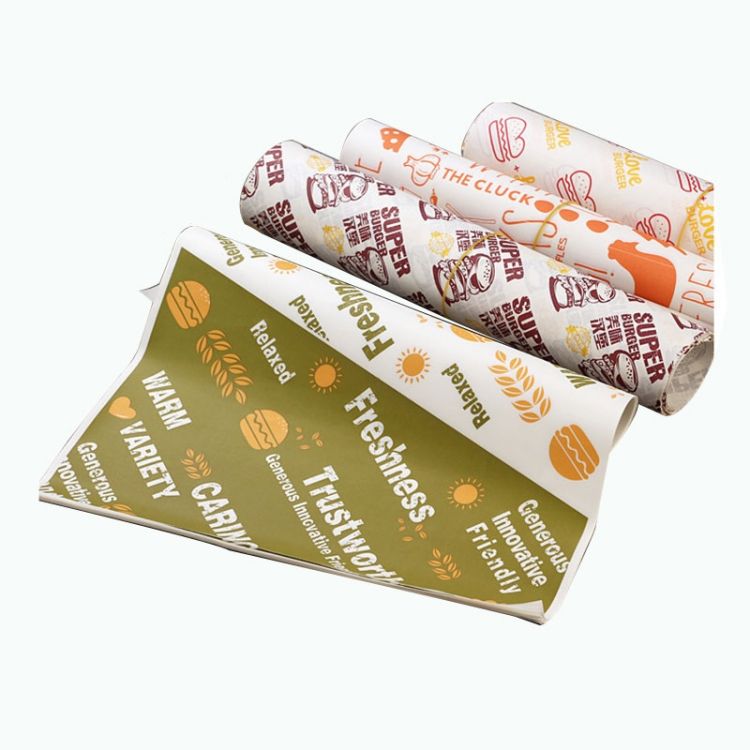
Wrapping Paper
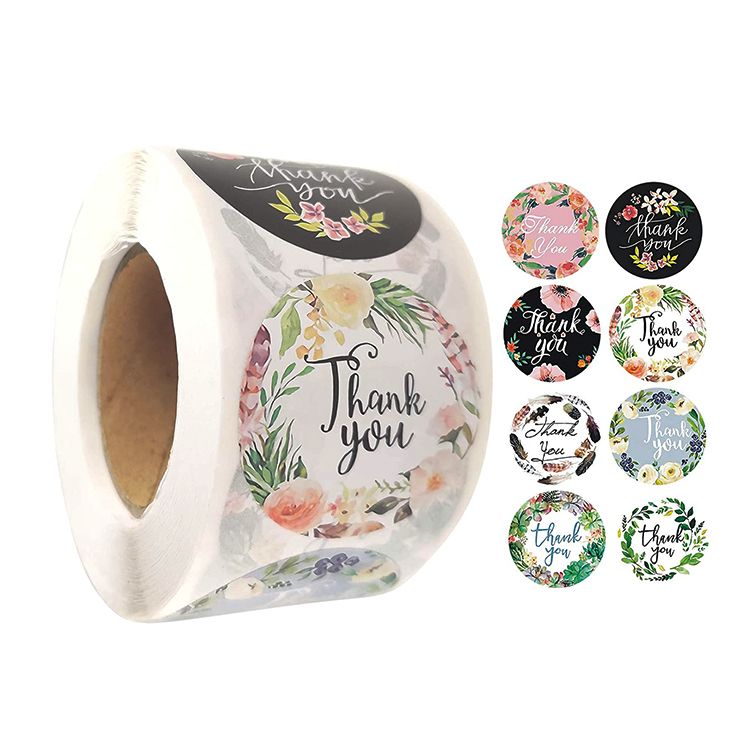
Stickers