

Have you ever opened a takeaway bag only to find grease stains soaking through the box — and customer complaints flooding in right after? For many food businesses, oily packaging isn’t just a small inconvenience. It leads to messy deliveries, damaged brand image, higher refund rates, and even food safety concerns.
Choosing the right Food Packaging Materials is no longer just about cost or appearance — it’s about performance, compliance, and customer trust. That’s why experienced Food Packaging manufacture now focus heavily on grease resistance when designing packaging for modern foodservice.
So what exactly makes packaging grease-resistant, and how can your business avoid leaks, stains, and regulatory risks? This guide explains how grease-resistant packaging works, explores the main material options, highlights business benefits, and offers practical tips to help food businesses make confident, informed packaging decisions.
1.How Grease-Resistant Packaging Materials Work
1.1. The Basic Principle of Grease Barriers
Grease barriers block tiny oil drops from moving through the material. Oil molecules are small and slippery, so they slip into normal paper easily. A good barrier fills gaps or repels oil like water on a duck’s back. This keeps the package strong and stops stains. It works best when the barrier covers the whole surface evenly. Businesses use these barriers for hot, oily foods every day.
1.2. Why Paper Needs Special Treatment to Block Oil
Regular paper has loose fibers with many small holes between them. These holes act like tiny roads for grease to travel through quickly. Once grease enters, it weakens the paper and makes dark, ugly spots. Special treatment closes those holes or adds a protective coat. This makes the paper much stronger against oil. Without treatment, packaging for fries or burgers would fall apart fast.
Here is a close-up look at dense paper fibers that help block grease naturally:

1.3. Common Technologies Used to Improve Grease Resistance
Several methods are commonly used to enhance grease resistance in food packaging:
| Technology Type | How It Works | Common Applications |
| Dense fiber refining | Compresses fibers to reduce pore size | Greaseproof paper wraps, bakery sheets |
| Surface coatings | Adds a thin barrier layer on paper surface | Takeout boxes, food trays |
| Chemical treatments (PFAS-free) | Alters fiber surface chemistry to repel oil | Sustainable food wraps, liners |
2. Main Types of Grease-Resistant Materials
Food businesses have many choices for grease-resistant materials. Each type has different strengths, looks, and eco features. Some use only tight fibers, while others add coatings. New types avoid old harmful chemicals. Picking the right one helps keep food safe and fresh.
2.1. Greaseproof Paper and Its Dense Fiber Structure
Greaseproof paper gets its power from super-tight fibers made by heavy refining. No extra coating is needed for good basic resistance. It feels smooth and a bit shiny or translucent. This type handles light to medium grease well. It is great for wrapping sandwiches or lining trays. Most versions are easy to recycle and fully food-safe.
2.2. Coated Papers and Paperboard
Coated papers use a surface layer to enhance grease resistance and, in some cases, moisture and heat resistance.
Common coating types include:
- PE-coated paper: Provides strong barrier performance but limits recyclability.
- PLA-coated paper: Plant-based coating suitable for compostable packaging systems.
- Water-based coatings: Fluorine-free, recyclable, and increasingly popular for sustainable packaging.
2.3. Glassine, Waxed Paper, and Specialty Wraps
- Glassine paper is smooth, glossy, and naturally grease-resistant due to its dense fiber structure. It is commonly used for bakery items, candy wraps, and sandwich liners.
- Waxed paper offers strong grease resistance through a wax layer, making it suitable for short-term food contact. However, it is generally not recyclable or compostable, which limits its use in environmentally focused applications.
- Specialty wraps may combine multiple layers or treatments to achieve specific performance goals, such as heat resistance, moisture control, or enhanced durability.
2.4. PFAS-Free and Eco-Friendly Alternatives
Old PFAS chemicals gave great resistance but stay in nature forever and may harm health. Makers stopped selling them for paper packaging by 2026. New PFAS-free options use water-based, plant coatings, or bio-waxes. Compostable types break down in compost piles easily. Recyclable ones use fiber-only or safe barriers that fit standard recycling. These help brands look green and follow new safety rules.
Examples of modern PFAS-free compostable takeout containers:
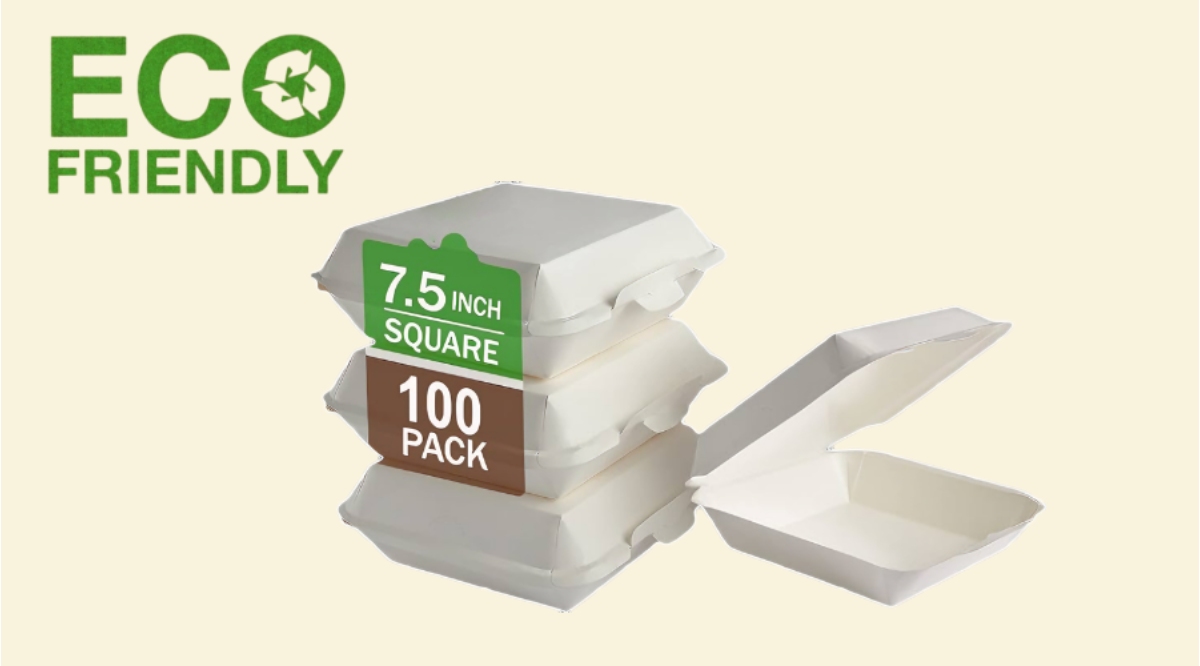
Here is a quick comparison table of main types:
| Type | How it Works | Best For | Eco-Friendly? |
| Greaseproof Paper | Dense fibers only | Light-medium grease, wraps | Yes, recyclable |
| PE-Coated | Plastic layer | Hot, heavy grease boxes | Less, hard to recycle |
| PLA-Coated | Plant-based layer | Cold to warm, eco needs | Yes, compostable |
| Glassine | Super smooth & dense | Bakery, snacks | Yes, recyclable |
| PFAS-Free Alternatives | Water/bio coatings | All uses, green brands | Best, recyclable/compostable |
3. Key Benefits for Food Businesses
These materials bring many real advantages to daily operations. They protect food quality and make customers happier. They also help follow rules and show care for the planet. Good choices save money on waste too. Businesses that use them stand out in a competitive market.
3.1. Keeping Food Fresh, Dry, and Visually Appealing
Grease stays inside the food instead of soaking the package. This keeps fries crispy and burgers juicy longer. No stains mean the food looks clean and fresh on delivery. Customers see bright colors and no greasy marks. This makes meals more attractive and enjoyable. Fresh-looking food leads to better reviews and repeat buys.
3.2. Improving Customer Experience and Cleanliness
No leaks mean clean hands and bags for customers. People can eat on the go without mess on clothes or cars. Fewer spills create a nicer eating time. Good packaging shows the business cares about details. Happy customers share positive experiences online. This builds loyalty and brings more people in.
3.3. Meeting Food Safety and Regulatory Standards
Materials follow strict FDA and local food contact rules. PFAS-free options meet new 2025–2026 bans on harmful chemicals. They lower risks of bad substances moving into food. Safe packaging avoids fines or health complaints. Businesses stay legal and trusted by customers. Regular checks keep everything up to standard.
3.4. Supporting Sustainability and Brand Responsibility
Eco-friendly types cut down on waste and pollution. Many are recyclable or compostable for easy disposal. Customers like brands that choose green options. This improves the company’s image in a world that cares about the planet. Sustainable packaging attracts eco-minded buyers. It helps businesses grow while doing good.
4. Common Applications in Foodservice and Retail
Grease-resistant materials fit many everyday uses in restaurants and shops. They handle different foods from fast to bakery items. Each application needs the right type for best results. Good choices make service faster and cleaner. These uses are common in takeout, delivery, and displays.
4.1. Wrapping Burgers, Fries, Sandwiches, and Snacks
Paper wraps hold greasy items tight without leaks. They keep burgers juicy and fries crispy during travel. No oil soaks through to hands or bags. This works well for fast food and street vendors. Customers get clean, mess-free meals. Wrappers are cheap and easy to use in high volume.
Here are real examples of grease-resistant wraps for burgers and fries in fast food:
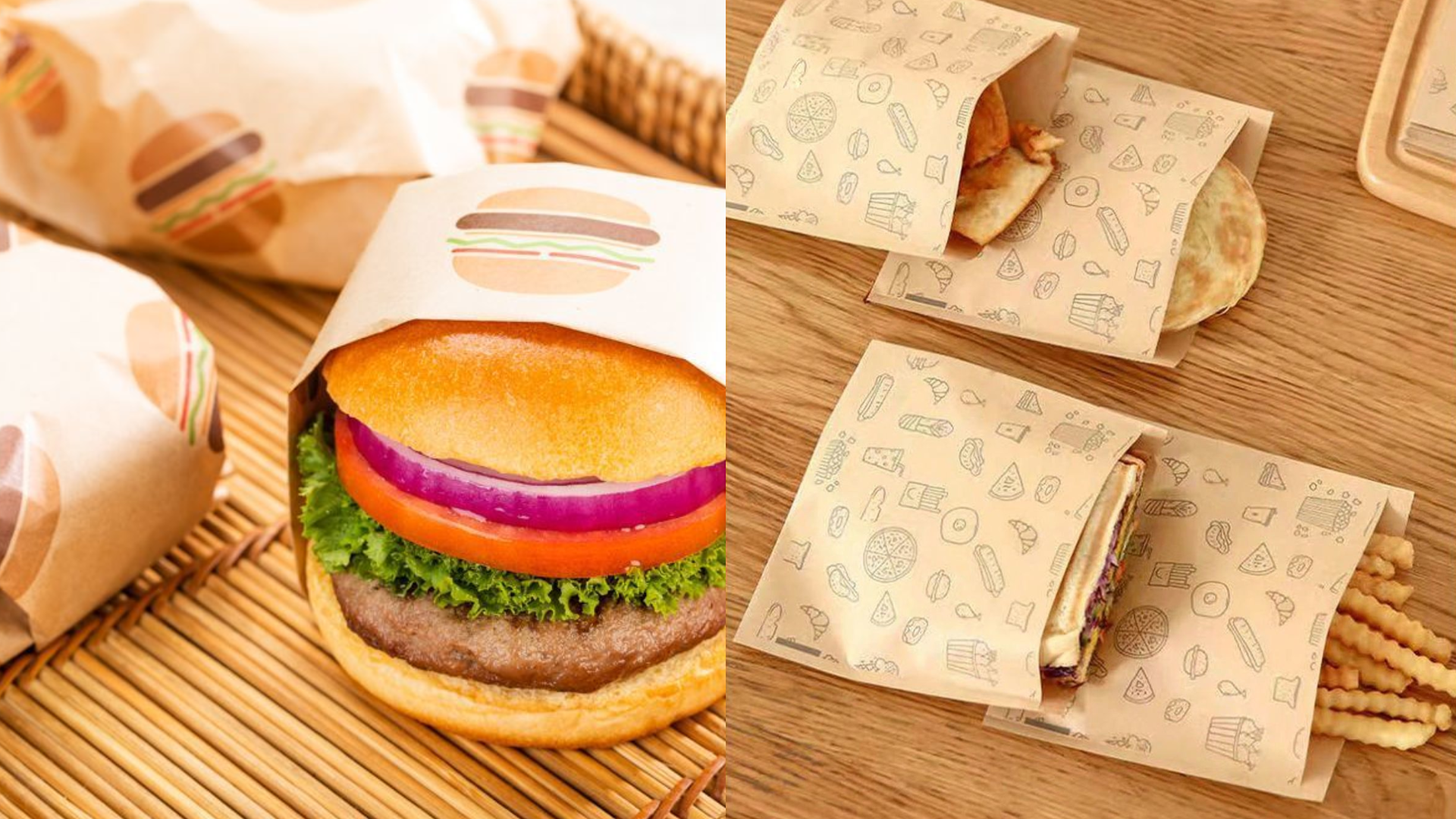
4.2. Takeout Boxes, Clamshells, and Food Containers
Coated boards make sturdy boxes for hot meals. They resist grease from fried chicken or saucy pasta. Lids stay secure without sogginess. These fit delivery apps and restaurant takeout. Strong sides prevent spills in cars. Customers receive food that looks and feels fresh.
4.3. Basket Liners, Tray Liners, and Counter Wraps
Liners catch drips in food baskets or trays. They keep counters clean from display snacks. Grease does not pass through to surfaces below. This makes cleanup fast in busy places. Liners add a neat look to meals. They are simple but very useful every day.
4.4. Bakery Packaging for Pastries, Donuts, and Cookies
Greaseproof sheets separate buttery items in boxes. They stop oil from making pastries soggy. Boxes stay strong with no stains. This keeps donuts and cookies fresh longer. Bakery shops use them for display and carry-out. Customers love neat, attractive packaging.
5. How to Choose the Right Grease-Resistant Material
Choosing the best material needs careful thought. Match it to the food, use, and business goals. Check heat needs, strength, and eco features. Balance cost with performance for smart decisions. Reliable suppliers ensure steady supply. The right choice saves time and money long-term.
5.1. Matching Materials to Different Food Types
- Cold foods can use basic types.
- Hot items want heat-safe options like PE or PLA.
- Oily foods like fried chicken need strong coated barriers.
- Dry foods like cookies work with lighter greaseproof paper.
Always test for the specific grease level. This prevents leaks and keeps food quality high.
5.2. Considering Heat Resistance, Strength, and Durability
Some materials handle oven heat up to 200°C without failing. Strong types resist tears during busy handling. Durable ones last through long delivery trips. Check if it holds up to moisture too. Poor choices can break or leak. Good ones make operations smooth and safe.
5.3. Evaluating Food Safety Certifications and Eco Labels
Look for FDA or local food contact approvals. Choose PFAS-free to follow new laws. Eco labels show recyclable or compostable features. Certifications build trust with customers. They prove the material is safe and green. Always ask suppliers for proof documents.
5.4. Balancing Cost, Performance, and Supply Reliability
Packaging decisions must consider not only performance but also cost efficiency and supplier reliability. Choosing scalable, readily available materials helps ensure consistent supply and pricing.
| Food Type | Recommended Material | Key Properties |
| Fried foods | Water-based coated paper or PE-coated board | High grease resistance, heat tolerance |
| Baked goods | Greaseproof or glassine pape | Moderate grease resistance, good presentation |
| Hot meals | Coated paperboard containers | Strength, moisture and grease barriers |
| Cold snacks | Greaseproof paper | Lightweight, cost-effective |
6. Summary of Key Takeaways
Choosing the right grease-resistant packaging helps food businesses protect product quality, meet safety standards, and build a strong brand image. By matching materials to food type, heat conditions, and sustainability goals, businesses can reduce waste, improve customer satisfaction, and stay compliant with evolving regulations. For companies looking to upgrade their packaging systems, working with experienced providers of food packaging solutions ensures consistent quality, performance, and long-term reliability.
7. Frequently Asked Questions (FAQ)
7.1. What is the difference between greaseproof and grease-resistant paper?
Greaseproof paper is designed to resist oil penetration through dense fiber structure, while grease-resistant paper may use coatings or treatments to achieve similar or higher performance. Both serve similar purposes but differ in manufacturing methods and sustainability profiles.
7.2. Are all grease-resistant packaging materials food-safe?
Not all materials are automatically food-safe. Food businesses should ensure that packaging complies with food-contact regulations and is suitable for the intended use, temperature range, and food type.
7.3. Why are PFAS being phased out in food packaging?
PFAS chemicals are being reduced or eliminated due to concerns about environmental persistence and potential health risks. Many regulations now encourage or require the use of PFAS-free alternatives in food packaging.
7.4. Can grease-resistant paper be recycled or composted?
Recyclability and compostability depend on the specific material and coatings used. Uncoated greaseproof paper and water-based coated papers are often recyclable, while PLA-coated papers may be compostable in industrial facilities.
7.5. How long does grease resistance last under heat and moisture?
Grease resistance varies by material type, coating technology, and environmental conditions. Prolonged exposure to heat and moisture can reduce barrier performance, so materials should be selected based on real-world usage conditions.
Post time: Jan-16-2026