
In today’s fast-moving coffee market, many café owners face the same frustrating questions: Why do drinks arrive lukewarm? Why do cups leak in delivery bags? And why does packaging cost keep rising while customers expect more?
The truth is, takeaway packaging for coffee shops is no longer just about holding a drink—it directly affects customer satisfaction, brand perception, and daily operations. As delivery, pickup, and on-the-go orders continue to grow, choosing the right takeaway packaging supplier becomes just as important as selecting quality coffee beans.
This guide explores the most effective coffee shop packaging ideas for 2026, helping you balance sustainability, performance, and cost-efficiency—so your packaging works as hard as your coffee does.
1. Why Takeaway Packaging Matters for Coffee Shops in 2026
Packaging is no longer just a container—it is a brand touchpoint. In 2026, customers expect coffee shops to deliver not only great taste but also responsible and convenient packaging. Well-designed takeaway packaging for coffee shops improves drink quality during transport, enhances brand recognition, and supports sustainability goals.
Modern coffee shop packaging ideas focus on balancing durability, aesthetics, and environmental responsibility. From cup performance to bag design, every packaging choice contributes to customer experience and repeat business.
2. Sustainable Materials Leading the Way
Sustainability continues to be a major trend in the coffee industry. More businesses are switching to sustainable coffee packaging to meet customer expectations and comply with environmental regulations.
| Material Type | Compostable | Recyclable | Heat Resistance | Common Use |
|---|---|---|---|---|
| PLA (Corn-based) | Yes (industrial) | No | High | Hot coffee cups |
| Bagasse (Sugarcane Fiber) | Yes | Limited | Very High | Lids, trays, containers |
| Recycled Paper | No | Yes | Medium | Cups, bags |
| Kraft Paper | No | Yes | Medium | Carry bags |
| Molded Fiber | Yes | Yes (varies) | High | Cup carriers |
2.1. Compostable and Biodegradable Coffee Packaging
Compostable packaging breaks down into natural soil when placed in industrial composting facilities. It is usually made from plant materials such as corn starch (PLA), sugarcane fiber (bagasse), or bamboo pulp. These compostable coffee cups can hold very hot coffee without softening or leaking because they have strong plant-based linings. Many coffee shops choose them as part of eco-friendly coffee packaging to show they care about the planet. Although they cost a little more than regular plastic-lined cups, the extra price often pays off because green-minded customers prefer them and tell their friends. Shops must check that the material has BPI or similar certification so it really composts properly.
2.2. Recyclable Paper and Plant-Based Packaging Options
Recyclable paper cups and bags are made from virgin or recycled paper fibers with thin, safe coatings that allow them to go into regular recycling bins in most cities. Plant-based options replace plastic coatings with materials from corn or sugarcane that still keep liquids inside. These recyclable coffee packaging choices make it easy for customers to recycle without special facilities. Kraft paper gives a natural brown look that many cafes like for its simple, clean style. New coatings stop the paper from getting soggy too quickly, so cups and bags stay strong longer. Shops find these materials reliable for everyday use and good for building a sustainable image.
3. Best Cup and Lid Solutions for Hot and Cold Drinks
The quality of coffee takeaway cups directly affects customer satisfaction. Whether serving hot espresso drinks or iced beverages, choosing the right cups and lids is essential.
3.1 Eco-Friendly Paper Cups with Strong Insulation
Double-wall paper cups have two layers with a small air gap between them that acts like insulation to keep hot drinks warm longer. Some single-wall cups come with separate sleeves that customers can add for extra heat protection and to avoid burning fingers. Insulated coffee cups often use plant-based linings instead of plastic, so they remain eco-friendly. For cold drinks, these cups stop condensation from making the outside wet and slippery. The strong walls prevent the cup from bending or collapsing when held tightly. Many shops pick these because drinks stay at a good temperature for 20–40 minutes, which matches most takeaway trips.
3.2. Innovative Lids That Prevent Spills
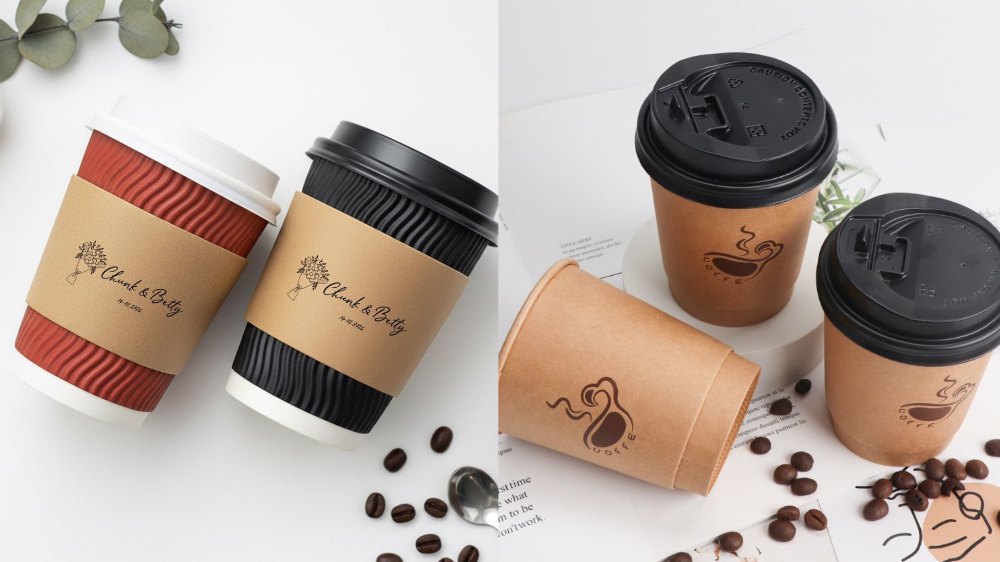
Modern coffee cup lids fit very tightly and have special seals that stop liquid from leaking even if the cup tips sideways. Some lids feature a slide-lock mechanism so the sip hole stays closed until the customer opens it. Others include small vents that let steam escape slowly to avoid pressure that can push the lid off. These spill-proof lids come in different sizes to match common cup volumes like 8 oz, 12 oz, and 16 oz. Durable plastic-free versions use molded fiber or plant materials that still click securely. Shops that use reliable lids see far fewer complaints about messy spills in bags or cars.
4. Best Cup and Lid Solutions for Hot and Cold Drinks
The quality of coffee takeaway cups directly affects customer satisfaction. Whether serving hot espresso drinks or iced beverages, choosing the right cups and lids is essential.
4.1. Kraft Paper Bags with Strong Handles
Kraft paper bags are popular because the thick paper and twisted or flat handles can hold several cups without tearing. The natural brown color looks clean and matches many cafe brands that want an earthy feel. Shops often print their logo, name, and a short message on the bag to make it part of their coffee shop branding packaging. These bags resist small amounts of moisture from condensation, so they do not fall apart quickly. Customers find them easy to carry by hand or hang on a wrist while walking. Many shops buy them in bulk to keep costs low while still getting a professional look.
4.2. Cup Carriers and Trays for Multiple Orders
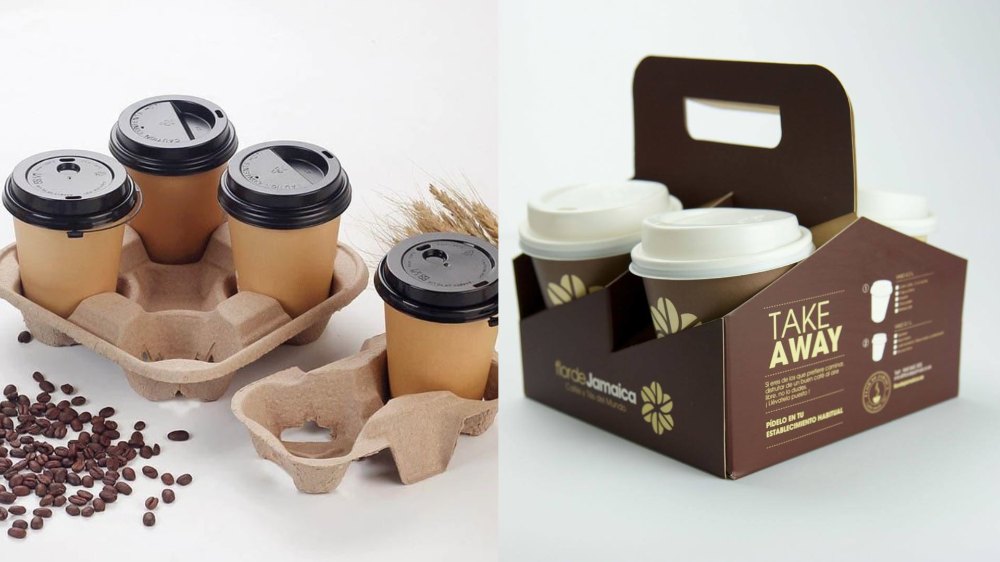
Cup carriers are simple holders made from recycled paperboard or molded pulp that securely fit two, four, or six cups at once. They have holes or slots that grip the cups so they do not slide around or tip over. Trays work well for flat carrying and often include side walls to stop drinks from falling out during delivery. These accessories are very useful for office orders, family groups, or events where people buy several drinks together. Good carriers reduce spills and make the customer experience smoother. Most are lightweight yet strong enough to handle full cups without bending.
5. Custom Branding and Design Trends
Packaging is one of the most visible brand assets for coffee shops. Custom coffee packaging helps businesses stand out and create a memorable customer experience.
5.1. Simple and Eye-Catching Packaging Designs
Many coffee shops in 2026 choose clean, minimal designs with one or two strong colors plus their logo. Simple layouts use large, clear fonts for the shop name and small icons like coffee beans or leaves. These designs look modern and stand out even on busy streets or in photos. Eco-friendly inks and printing methods keep the custom coffee packaging green. Neutral tones like beige, white, and dark green work well on kraft or recycled paper. Clean looks help the brand feel trustworthy and up-to-date without being too busy.
5.2. Adding Personal Touches for Better Customer Experience
Shops can print customer names on cups during busy hours to make the order feel special. Some add short thank-you messages, fun quotes about coffee, or small drawings. QR codes printed on lids or bags can link to the menu, loyalty program, or the shop’s story. These personal details turn ordinary takeaway into a memorable moment. When customers post photos online, the packaging acts like free advertising. Thoughtful touches build loyalty because people feel the shop cares about them as individuals.
6. Keeping Drinks Hot or Cold Longer
Maintaining beverage temperature and preventing leaks are top priorities for coffee packaging in 2026.
6.1. Insulation Features in Modern Coffee Packaging
Double-wall construction traps air between layers, which slows down heat loss so hot coffee stays warm for a longer time. Some cups add a thin foam-like layer made from plant materials for even better insulation. Insulated coffee cups stop the outside from getting too hot, protecting hands without needing extra sleeves every time. For iced drinks, thick walls reduce how fast ice melts and keep the cup dry on the outside. Good insulation means the drink tastes better when the customer finally takes a sip. Many shops test different types to find the best balance of heat hold and cost.
6.2. Leak-Proof and Durable Coffee Cup Designs
Leak-proof coffee cups use rolled rims and tight-fitting bottoms so liquid cannot escape from seams. Thick paperboard and strong adhesives make the cup resist dents when bumped in a bag. Lids lock on with a firm click that stays secure during movement. Durable designs handle being carried in backpacks or placed in car cup holders without problems. Shops pick these to cut down on refunds or apologies for messy orders. Reliable cups lower stress for staff and keep customers satisfied.
| Feature | Single Wall Cup | Double Wall Cup | Compostable Cup |
|---|---|---|---|
| Heat Retention | Low | High | High |
| Requires Sleeve | Yes | No | Sometimes |
| Eco Level | Medium | Medium | High |
| Cost Level | Low | Medium | Medium-High |
| Best For | Quick Pickup | Delivery | Eco-Focused Cafes |
7. Cost-Effective and Smart Packaging Choices
While quality and sustainability are important, cost control remains a key concern for coffee shop owners. Affordable coffee packaging solutions allow businesses to maintain margins while meeting customer expectations.
7.1. Balancing Quality and Budget in Coffee Packaging
Affordable coffee packaging does not have to mean low quality. Shops can buy larger quantities to get lower prices per unit from suppliers. Starting with plain eco cups and adding custom printing later keeps initial costs down. Compostable or recyclable options sometimes save money in the long run because some cities charge extra for non-recyclable waste. Testing small orders first helps shops find the right mix of price, look, and performance. Smart choices focus on items that customers use most, like 12 oz and 16 oz cups.
7.2. Sourcing Reliable Coffee Packaging Suppliers
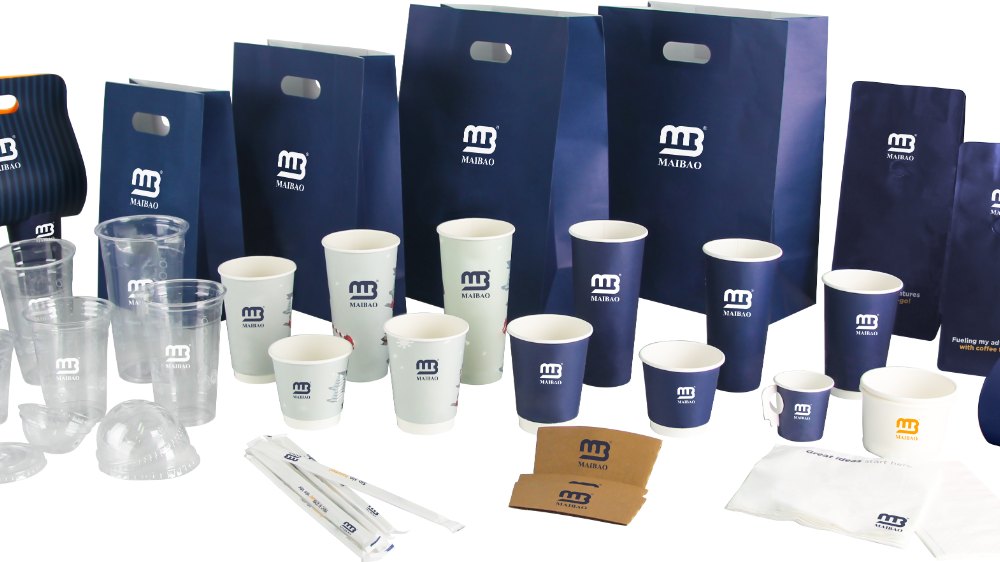
Good suppliers deliver on time, provide consistent quality, and offer samples before bulk orders. Maibao offers an online product catalog with photos, dimensions, and certification details for compostable or recyclable products. Coffee shops should look for suppliers specializing in sustainable coffee packaging with positive reviews from other coffee shops. Fast shipping and flexible minimum order quantities help small coffee shops get started without a large investment. Reliable partners will often advise on packaging designs and materials best suited for hot drinks. Establishing a stable partnership usually leads to better prices over time.
8. Summary of Key Takeaway Packaging Tips for Coffee Shops
In 2026, the best takeaway packaging for coffee shops combines sustainability with practical use. Choose compostable coffee cups or recyclable paper options with strong insulation to keep drinks at the right temperature. Pair them with spill-proof lids, sturdy kraft bags, and cup carriers for easy, mess-free carry. Add simple custom designs and small personal touches to strengthen branding and delight customers. Focus on leak-proof and durable features to reduce complaints. Balance costs by buying smart and choosing reliable suppliers. These steps help coffee shops go green, improve customer satisfaction, and grow in a competitive market.
9. Frequently Asked Questions (FAQ)
9.1. What makes packaging truly eco-friendly in 2026?
True eco-friendly packaging uses compostable or recyclable materials that break down or reuse easily. It avoids hard-to-recycle plastics. Look for certifications to know it works in real facilities.
9.2. Are compostable cups safe for hot coffee?
Yes, most compostable coffee cups handle hot drinks well with plant-based linings. They stay strong and do not leak or melt. Always check maker guidelines for best use.
9.3. How can small coffee shops start switching to better packaging?
Start small with compostable cups and lids. Buy in bulk to save money. Test a few suppliers. Tell customers about the change to get support. Add one item at a time.
9.4. Do customers really care about sustainable takeaway options?
Yes, many pick shops with green packaging. It shows care for the planet. Customers share good choices online. It builds loyalty over time.
Post time: Feb-12-2026