

Kraft paper has become a familiar sight in modern food packaging. From bakery bags and sandwich wraps to takeaway boxes and coffee sleeves, its natural appearance and perceived sustainability have made it a popular choice across the food industry. As one of many commonly used food packaging materials, kraft paper is often associated with eco-friendly branding and simplicity.
However, a common and important question remains: Is kraft paper actually safe for food packaging?
The answer is not a simple yes or no. While kraft paper can be safe for direct food contact, its safety depends on how it is made, what additives or coatings are used, and whether it complies with food contact regulations.
This article takes a practical, regulation-based look at kraft paper in food packaging—examining its safety, benefits, limitations, and how to choose the right option for food use.
1. What Is Kraft Paper — And Why Safety Matters in Food Packaging
1.1 What Is Kraft Paper and How It Is Made
Kraft paper is produced using the kraft pulping process, a chemical method that separates cellulose fibers from wood using sodium hydroxide and sodium sulfide. This process preserves longer fibers, resulting in paper that is stronger and more tear-resistant than many other paper types.
Kraft paper can be:
•Unbleached, retaining its natural brown color
•Bleached, processed further to achieve a light
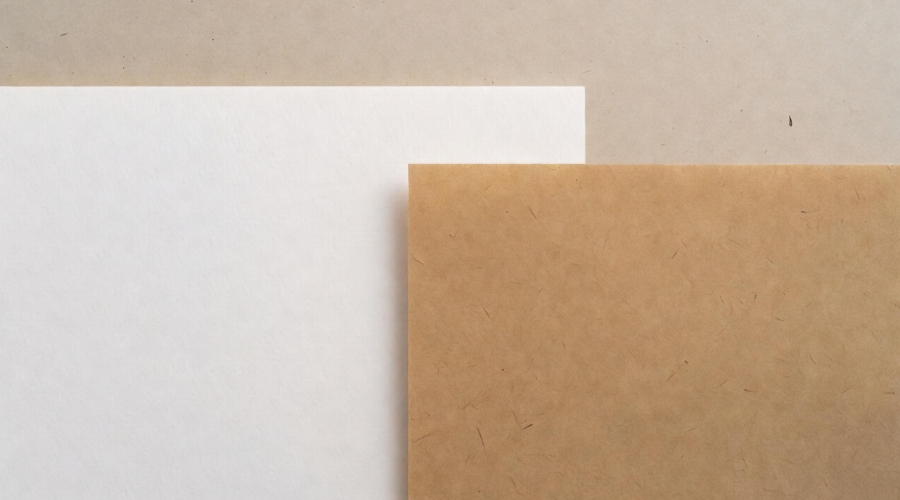
The base material itself is not inherently unsafe. However, food safety depends on what happens after the paper is made, including additives, inks, coatings, and handling.
1.2 Why Kraft Paper Became Popular in Food Packaging
Kraft paper gained popularity due to its strength, affordability, and natural appearance. It provides breathability for fresh items while supporting sustainable sourcing from renewable forests. Brands favor it for reducing plastic use and appealing to eco-conscious consumers.
1.3 Common Types of Kraft Paper Used in the Food Industry
Food packaging commonly features unbleached natural brown kraft for rustic appeal, bleached white kraft for clean looks, and coated variants with wax or polyethylene for added moisture resistance. Specialized butcher-style kraft handles direct meat contact effectively.
2. Is Kraft Paper Safe for Food Contact? (Quick Answer First)
2.1 Short Answer: When Kraft Paper Is Safe — and When It Is Not
Kraft paper is safe for food packaging only when it is specifically manufactured and certified for food contact.
It is not automatically food-safe simply because it is made from paper.
Food-safe kraft paper must:
•Use approved raw materials
•Avoid harmful additives
•Comply with food contact regulations
•Pass migration and contamination testing
Using non-food-grade kraft paper for direct food contact can pose risks such as chemical migration, odor transfer, or contamination.
2.2 Key Factors That Determine Food Safety (Pulp, Additives, Coatings)
Virgin pulp minimizes contaminants compared to recycled sources, which may introduce inks or glues. Food-grade additives like wet-strength resins must meet migration limits. Coatings such as polyethylene or silicone require approval for no toxic transfer. Production in clean environments prevents bacterial contamination. Testing simulates food types, temperatures, and contact times to measure substance release. Low migration thresholds protect consumers. Pulp purity avoids heavy metals or dioxins. Approved bleaching agents prevent chlorine residues. Barrier coatings block oil but must remain inert. Overall equipment cleanliness and good manufacturing practices ensure final safety.
3. Food Contact Safety Standards and Regulations
3.1 FDA Regulations for Kraft Paper in the United States
The FDA regulates paper under 21 CFR 176.170 and 176.180, requiring no harmful substance migration. Compliant kraft paper earns approval for direct contact after rigorous testing by manufacturers.
3.2 European Union and Other Global Food Contact Standards
EU Regulation (EC) No 1935/2004 sets general safety rules, with Good Manufacturing Practices under (EC) No 2023/2006. National guidelines, like Germany’s BfR, often apply since no specific harmonized paper rule exists.
3.3 Bleached vs. Unbleached Kraft Paper: Safety Differences
Both types prove safe when food-grade certified. Unbleached retains natural color with fewer chemicals, while bleached uses controlled processes to avoid residues. Certification ensures neither transfers harmful substances.
3.4 Food-Grade Testing, Certification, and Compliance
Testing includes migration studies simulating food contact. Certifications like FDA compliance, BRC, or FSC verify safety and sustainability. Suppliers provide declarations of conformity for traceability.
| Region | Key Regulation | Purpose |
| United States | FDA 21 CFR | Controls substances and migration |
| European Union | EC 1935/2004 | General food contact safety |
| Germany | BfR Recommendations | Paper-specific guidance |
| Global | ISO / Lab Reports | Quality and safety verification |
4. Benefits of Kraft Paper for Food Packaging
4.1 Strength and Durability
Kraft’s long fibers deliver superior tensile and burst strength, resisting tears during handling. It supports heavy loads in bags or boxes. Tear resistance protects contents in transit. Puncture durability suits sharp-edged items. Wet strength variants maintain integrity with moist foods. Folding endurance allows complex shapes. Overall robustness reduces damage and waste. Lightweight yet strong profiles optimize shipping. Reliable performance enhances user confidence.
4.2 Environmental and Sustainability Considerations
Kraft sources from renewable forests, often FSC-certified. It biodegrades quickly in compost or soil. High recyclability integrates into paper streams. Lower processing energy than plastics cuts carbon footprints. Reduced plastic use aligns with bans. Compostable coatings enable full breakdown. Sustainable forestry supports biodiversity. Circular economy compatibility promotes reuse. Eco-credentials attract conscious consumers.
4.3 Breathability and Food Freshness
Porous structure permits moisture vapor escape, preventing condensation in produce. Air circulation reduces spoilage in breads. Breathability maintains crispness in snacks. Regulated humidity extends shelf life for fruits. Oxygen exchange preserves flavors in cheeses. Natural ventilation outperforms sealed plastics for certain items. Controlled permeability balances protection and freshness.
4.4 Cost-Effectiveness and Versatility
Affordable raw materials lower production costs. Simple processing streamlines manufacturing. Adaptable to coatings for varied needs. Wide grammage range suits multiple formats. Excellent printability supports branding without extras. Scalable for small or large runs. Durable design minimizes returns. Broad applications consolidate suppliers.
4.5 Consumer Perception and Natural Branding Appeal

Brown kraft conveys authenticity and eco-friendliness. Rustic aesthetic fits artisan and organic brands. Sustainable image builds loyalty. Tactile feel enhances unboxing experience. Aligns with minimalism trends. Printable surfaces allow creative designs. Positive associations boost sales. Transparent sustainability resonates with values-driven buyers.
5. Limitations and Risks You Should Know
5.1 Not All Kraft Paper Is Food-Grade
Standard kraft may include unapproved recycled content or additives. Industrial grades risk chemical residues. Lack of migration testing poses transfer hazards. Recycled variants potentially carry contaminants. Virgin pulp essential for direct contact. Mislabeling confuses buyers. Verification through certificates critical. Non-compliant use invites regulatory issues.
5.2 Moisture, Grease, and Oil Absorption Issues
Uncoated kraft absorbs liquids readily, leading to weakening or leaks. Grease soaks through without barriers. Wet foods cause sogginess quickly. High humidity softens structure. Oily items stain and compromise integrity. Coatings needed for fatty applications. Absorption risks bacterial growth. Limited standalone for liquids.
5.3 Heat Resistance and Temperature Limits
Plain kraft chars or weakens above moderate heat. Oven use risks scorching without treatment. Microwave exposure may ignite uncoated types. Prolonged high temperatures degrade fibers. Limited for direct baking. Specialized heat-resistant variants required. Freezer tolerance varies. Thermal limits constrain hot-fill uses.
5.4 Printing Inks, Odor Transfer, and Aesthetic Constraints
Non-food-safe inks migrate potentially. Natural brown limits vibrant colors. Odor absorption from surroundings affects contents. Rough surface challenges fine printing. Bleaching needed for white base. Glossy finishes require extra processing. Aesthetic suits rustic but not luxury uniformly.
6. Kraft Paper vs Other Food Packaging Materials
6.1 Kraft Paper vs Plastic Packaging
Kraft biodegrades naturally while plastics persist environmentally. Breathability preserves freshness better than airtight plastics. Kraft offers renewable sourcing versus fossil fuels. Plastics provide superior barriers for liquids. Kraft reduces microplastic risks. Recyclability higher for paper streams. Consumer preference shifts toward kraft sustainability. Plastics lighter for shipping sometimes.
6.2 Kraft Paper vs Parchment and Wax Paper
Parchment excels in high-heat non-stick baking. Wax paper offers grease resistance but melts under heat. Kraft provides strength for wrapping over delicacy. Parchment silicone-coated for reusability. Wax limits to cold uses. Kraft breathable for produce. Parchment costly for large volumes. Wax non-recyclable often.
6.3 Kraft Paper vs Recycled Cardboard
Virgin kraft purer for direct contact. Recycled cardboard suits secondary packaging. Kraft stronger per weight. Recycled saves resources but needs decontamination. Kraft printable directly. Cardboard rigid for boxes. Both recyclable. Purity trade-offs in recycled.
| Material | Strengths | Limitations |
| Kraft Paper | Natural, breathable, recyclable | Poor moisture resistance |
| Plastic | Excellent barrier | Environmental concerns |
| Parchment Paper | Heat resistance | Higher cost |
| Wax Paper | Grease resistance | Limited recyclability |
| Recycled Cardboard | Cost-effective | Not always food-safe |
7. Common Food Packaging Applications
- Dry Foods, Bakery, and Snacks:Kraft bags hold flour, sugar, and grains securely. Bakery boxes maintain bread freshness. Snack wrappers resist minor oils. Breathability prevents staleness in cookies. Printed bags enhance shelf appeal. Durable for bulk nuts. Affordable for high-volume cereals. Eco-image suits organic lines.
- Takeout, Fast Food, and Restaurants:Grease-resistant kraft lines burger wraps. Takeaway boxes retain heat. Bags carry multiple items. Custom printing promotes brands. Sturdy handles support weight. Compostable options align with green initiatives. Leak-proof coatings for sauces. Versatile for diverse menus.
- Meat, Cheese, and Fresh Produce:Butcher kraft allows meat breathing while absorbing juices. Cheese wraps prevent drying. Produce bags extend freshness via ventilation. Pink or white variants for aesthetics. Breathable for mold prevention. Strong for heavy cuts. Traditional appeal in delis.
- Coffee, Tea, and Specialty Foods:Kraft pouches preserve aroma with barriers. Tea envelopes maintain flavor integrity. Specialty bags protect delicate items. Foil-lined for extended shelf. Printable for premium branding. Resealable options available. Sustainable for artisanal products.
8. How to Choose Safe Kraft Paper for Food Packaging
8.1 Certifications That Prove Kraft Paper Is Food-Grade
FDA compliance letters confirm U.S. safety. EU declarations meet framework regulations. BfR recommendations for Europe. FSC for sustainable sourcing. BRC packaging standards. Migration test reports. Supplier conformity statements. Third-party audits. Compostable certifications like EN 13432.
8.2 Questions to Ask Kraft Paper Suppliers
Inquire about pulp source and virgin content. Request migration test data. Ask for compliance declarations. Verify intended use matches product. Seek batch traceability. Confirm coating approvals. Check production cleanliness. Inquire sustainability credentials.
8.3 Storage, Handling, and Usage Best Practices
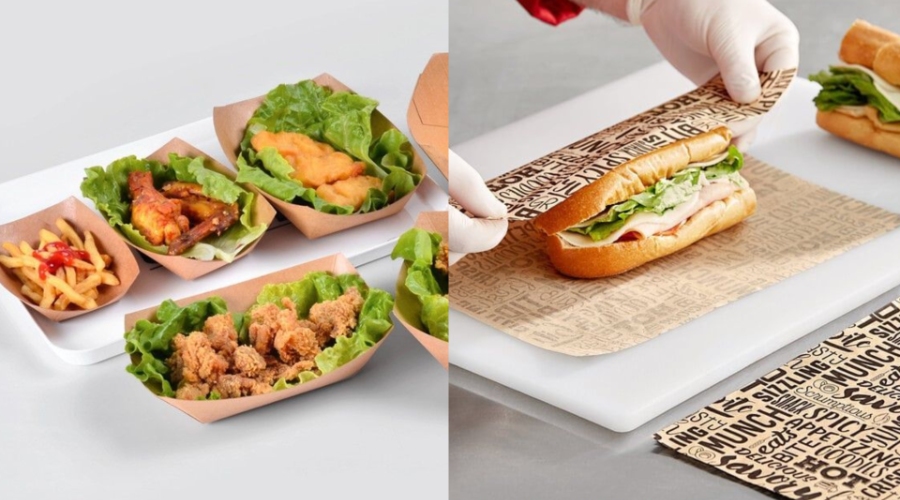
Store in cool, dry conditions away from contaminants. Avoid direct sunlight fading. Handle with clean gloves. Use FIFO rotation. Match grammage to food weight. Apply coatings for greasy items. Test compatibility per batch. Dispose responsibly or recycle.
9. Final Verdict: Is Kraft Paper Safe for Food Packaging?
9.1 Key Takeaways at a Glance
Certified kraft ensures safety through rigorous testing. Strength and sustainability lead its benefits, while limitations can often be addressed through appropriate treatments and coatings. Regulations play a critical role in protecting consumers across global markets, and eco-conscious branding continues to drive adoption. Kraft paper remains versatile across many food types, but proper sourcing is essential. As part of the broader landscape of other food packaging materials used in the industry, kraft paper is expected to see continued growth—particularly in certified and more sustainable variants.
9.2 When Kraft Paper Is a Good Choice — and When It Is Not
Ideal for dry, breathable, or eco-branded items. Excellent for takeaways and produce. Avoid uncoated for high grease or liquids. Not primary for extreme heat. Alternatives better for full barriers. Suits rustic aesthetics over glossy. Best with certifications. Complements hybrid solutions.
9.3 Practical Checklist for Safe Use
Verify food-grade certification. Match type to food properties. Request migration data. Ensure supplier compliance. Store properly. Test barriers needed. Confirm sustainability if required. Monitor regulatory updates.
10.Frequently Asked Questions (FAQ)
10.1 Is all kraft paper safe for direct food contact?
No, only certified food-grade versions compliant with FDA or equivalent standards allow direct contact.
10.2 Can kraft paper be used in microwaves or ovens?
Plain kraft risks scorching; specialized microwave-safe or oven-rated variants work briefly, but check labels.
10.3 Is unbleached kraft paper safer than bleached?
Both remain safe when certified; unbleached uses fewer chemicals but certification matters most.
10.4 How long can food stay fresh in kraft paper packaging?
Breathability extends freshness for produce days longer than plastic, depending on conditions and coatings.
10.5 What certifications prove kraft paper is food-grade?
FDA compliance, BRC, FSC, and supplier declarations with migration testing confirm safety.
Post time: Jan-08-2026