

Paper or plastic—this choice looks simple, but for many food businesses, it has become a real dilemma. Customers want packaging that feels sustainable, regulators are tightening the rules in 2026, and costs are under constant pressure. Choosing the wrong material can lead to food leaks, higher logistics expenses, customer complaints, or even compliance risks.
Many cafes and takeaways feel pushed toward paper because of its eco-friendly image, while plastic still dominates when food freshness and shelf life matter most. This is why many food packaging companies and food service operators struggle to find the right balance between performance, sustainability, and cost.
This guide breaks down the real pros and cons of paper and plastic food packaging, compares how they perform in everyday business scenarios, and helps you make a practical, informed decision that fits your products, customers, and market realities.
1. Why Food Packaging Choices Matter for Food Businesses
1.1. Food Safety and Product Protection
Packaging keeps food safe from dirt, germs, and damage while it travels from the kitchen to the customer. It stops leaks, spills, and air from getting in, which helps prevent food from spoiling quickly. For example, good barriers keep hot soups warm and cold salads fresh. Without strong protection, food can become unsafe, leading to unhappy customers or even health problems. Businesses lose money from waste and complaints when packaging fails. Choosing the right material helps keep food quality high every time.
1.2. Customer Expectations and Packaging Regulations
Many customers now want packaging that looks eco-friendly and natural, such as paper instead of plastic. At the same time, people are becoming more aware of the environmental impact of packaging foods with plastics, especially single-use materials. In 2026, regulations are becoming stricter. The EU’s Packaging and Packaging Waste Regulation (PPWR) limits harmful chemicals such as PFAS in food packaging from August 2026 and reduces certain single-use plastics. Businesses must comply with these rules to avoid penalties and maintain customer trust.
1.3. Cost Control and Environmental Impact
Packaging costs include buying materials, shipping, and handling waste fees. Cheap options save money at first, but bad choices raise long-term expenses from spoilage or extra transport. Environmentally, plastic can pollute oceans for hundreds of years. Paper usually breaks down faster and comes from trees. Businesses that pick green options build a better reputation. The right choice balances money savings with planet protection.
Before diving into the comparison between paper and plastic, it helps to understand the broader landscape of food packaging materials and how they’re used. This food packaging materials guide offers a complete overview, while this compostable vs biodegradable packaging resource explains which sustainability claims truly matter.
2. Advantages of Paper Food Packaging for Food Service
2.1. Eco-Friendly and Renewable Materials
Many customers now want packaging that looks eco-friendly and natural, such as paper instead of plastic. At the same time, people are becoming more aware of the environmental impact of packaging foods with plastics, especially single-use materials. In 2026, regulations are becoming stricter. The EU’s Packaging and Packaging Waste Regulation (PPWR) limits harmful chemicals such as PFAS in food packaging from August 2026 and reduces certain single-use plastics. Businesses must comply with these rules to avoid penalties and maintain customer trust.
2.2. Recycling and Disposal Benefits
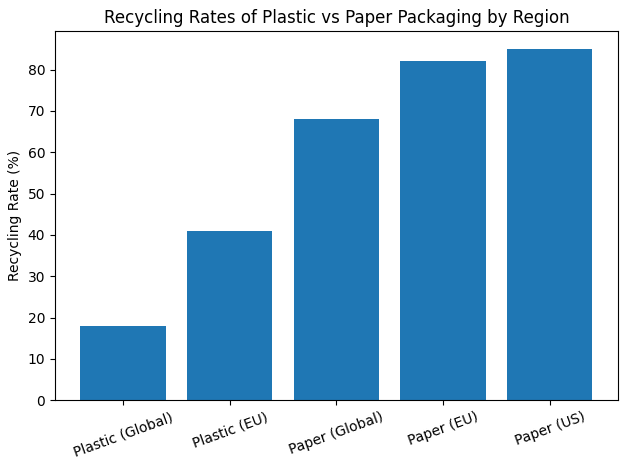
Paper recycles very easily in most places. In the EU, paper and cardboard recycling rates are over 80%, sometimes reaching 83%. In the US, paperboard recycling is around 80-90%. This high rate means less paper ends up in landfills. Recycling paper saves energy and trees compared to making new paper. Businesses find it simple to support high recycling with paper options.
2.3. Branding Value for Cafes and Takeaway
Paper looks clean, natural, and premium to many customers. It prints logos, colors, and messages very well. People see paper as more sustainable, so it improves brand image. Cafes and takeaways gain loyalty from eco-conscious customers. Using paper shows the business cares about the environment. This positive feeling helps attract more repeat business.
2.4 Common Uses of Paper Food Packaging
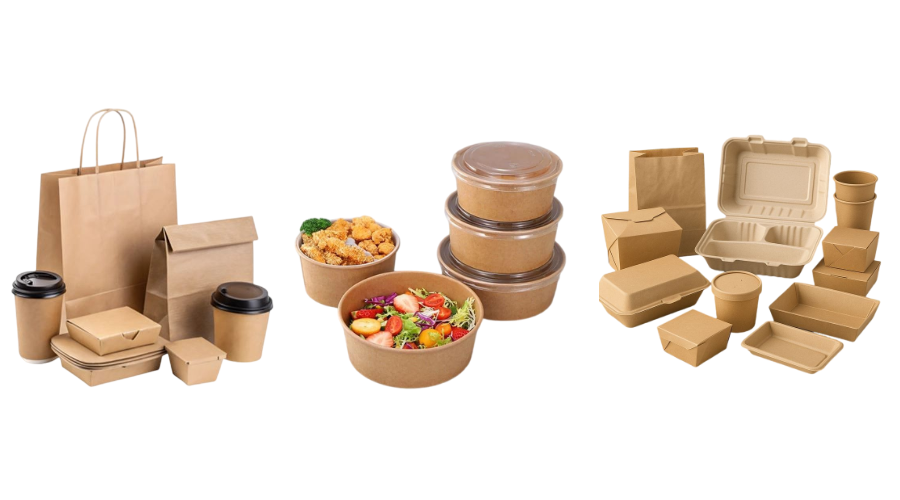
Paper packaging is widely used for:
- Coffee cups and lids:Paper coffee cups are commonly used for hot and cold beverages in takeaway settings, offering good insulation and easy handling. Paper-based lids are increasingly adopted to reduce plastic use while maintaining drinking convenience.
- Takeaway boxes and food trays:Paper takeaway boxes and trays are widely used for fast food, baked goods, and ready-to-eat meals. With proper coatings, they can handle grease and moisture while remaining lightweight and stackable.
- Paper bags and wraps:Paper bags and wraps are commonly used for sandwiches, bakery items, and takeaway foods. Their breathable structure helps maintain food texture and supports a natural, eco-friendly brand image.
3. Limitations of Paper Food Packaging
3.1. Moisture and Grease Resistance Challenges
Plain paper soaks up water and oil fast, making food soggy or messy. This happens with wet salads, soups, or very greasy fries. Coatings help, but they may not match plastic’s strong barrier every time. New PFAS-free coatings exist in 2026, but they cost more. Businesses sometimes face leaks or weaker protection. Testing is needed to ensure food stays fresh and dry.
3.2 Weight and Shipping Considerations
Paper packaging is generally heavier and bulkier than plastic, increasing shipping volume and transportation costs, especially for long-distance supply chains.
3.3 Resource Use in Paper Production
Although renewable, paper production consumes water and energy. Sustainability depends heavily on responsible forestry and efficient manufacturing processes.
4. Advantages of Plastic Food Packaging
4.1 Strong Barrier Protection and Shelf Life
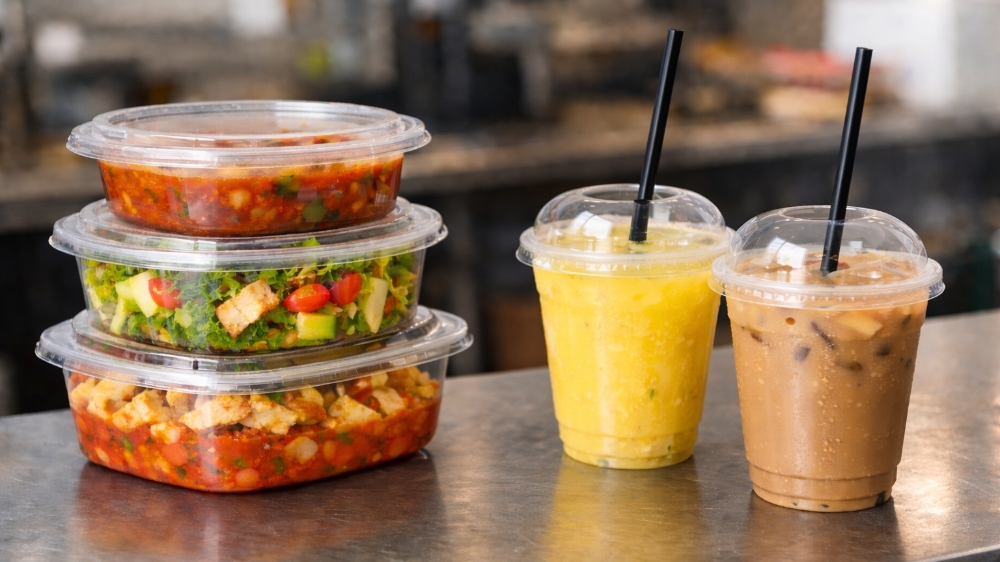
Plastic blocks moisture, oxygen, and grease very well. This keeps food fresh much longer than paper. It works great for salads, meats, soups, and ready meals. Less spoilage means less food waste for businesses. Customers get better quality items. Plastic helps extend shelf life during busy delivery times.
4.2 Lightweight and Transport Efficiency
Plastic is lightweight and compact, helping businesses reduce fuel usage, storage space, and logistics costs.
4.3. Flexible Design and Product Visibility
Plastic can be shaped into many forms, like clear containers or flexible bags. Clear plastic lets customers see the food inside. This helps sell items because people can check freshness. It fits different food sizes and styles easily. Businesses use plastic for attractive displays. The flexibility makes it useful for many menu items.
5. Environmental and Health Concerns of Plastic Food Packaging
5.1. Plastic Waste and Pollution Risks
Plastic takes hundreds of years to break down in nature. It often turns into tiny microplastics that harm animals and oceans. Much plastic ends up in landfills or as litter. This pollution affects wildlife and even human health. Single-use plastic adds to the growing waste problem. Businesses face pressure to reduce this impact.
5.2. Recycling Challenges Across Regions
Although plastic packaging is often labeled as recyclable, real-world recycling rates remain relatively low. Globally, only about 13–20% of plastic packaging is actually recycled. Even in the EU, where recycling systems are more advanced, plastic packaging recycling reaches just 40–42%.
A key challenge is food contamination. When packaging foods with plastics, residues such as oils and sauces make sorting and cleaning difficult, pushing much of this waste toward landfill or incineration instead of recycling.
This bar chart compares real-world recycling rates of plastic and paper packaging across global and regional markets, highlighting the structural challenges plastic recycling faces compared with paper-based systems.
5.3. Food Contact and Chemical Safety
Some plastics release chemicals like PFAS or others into food over time. These “forever chemicals” may cause health concerns. New 2026 rules limit PFAS in food packaging, especially in the EU. Many companies now switch to safer options. Businesses must check materials for safety. This protects customers and avoids legal issues.
6. Paper vs Plastic Food Packaging: Side-by-Side Comparison
6.1. Life Cycle Environmental Impact
| Factor | Paper Food Packaging | Plastic Food Packaging |
| Environmental perception | Strong eco-friendly image | Often viewed as less sustainable |
| Barrier protection | Limited without coating | Excellent moisture & oxygen barrier |
| Weight & transport | Heavier, bulkier | Lightweight, space-efficient |
| Branding potential | High print quality | Moderate to high |
| Recycling reality | Widely accepted in many areas | Region-dependent |
| Best for | Dry or short-term foods | Wet, oily, or long-shelf-life foods |
6.2. Performance for Hot, Cold, and Oily Foods
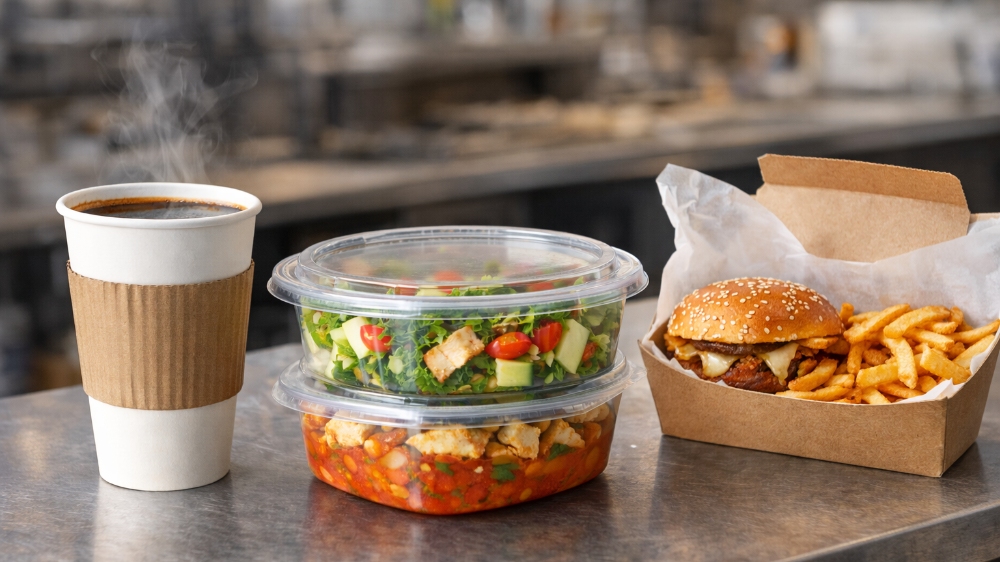
Plastic handles hot, cold, wet, and oily foods best with strong barriers. It prevents leaks and keeps temperatures stable. Paper works well for dry items but struggles with moisture or heavy grease. Coated paper improves for burgers or fries. Plastic reduces food waste from spoilage. Match the material to the food type for best results.
6.3. Short-Term vs Long-Term Business Costs
Plastic costs less to buy and ship at first due to light weight. It saves money on transport right away. Paper may cost more upfront but wins customer loyalty. Green choices lower waste fees and meet rules. Long-term, paper can save on reputation and fines. Businesses calculate both short and long costs carefully.
7. How to Choose Between Paper and Plastic Packaging in 2026
| If your food is… | Better choice | Why |
| Dry or bakery items | Paper | Breathable, good presentation |
| Hot drinks | Paper (lined) | Insulation + branding |
| Salads or soups | Plastic | Leak prevention |
| Oily or saucy foods | Plastic / coated paper | Strong grease resistance |
| Short takeaway time | Paper | Sustainability image |
| Long delivery or storage | Plastic | Shelf-life protection |
7.1. Product Type and Supply Chain Needs
Look at what food you sell most. Use paper for dry bakery goods, sandwiches, or fries. Choose plastic for moist, hot, or long-shelf items like salads or soups. Check how items travel in your supply chain. Test both to see what works without leaks. The right fit keeps food safe and fresh.
7.2. Local Recycling Systems and Regulations
Check recycling options in your area. Strong paper recycling favors paper choices. In the EU, PPWR pushes less plastic from 2026. Places like the US vary by state. Follow local rules to avoid problems. Good local systems make sustainable choices easier.
7.3. Emerging Alternatives: Coated Paper, Bio-Based Plastics
New coated papers use PFAS-free options for better grease resistance. Bio-based plastics come from plants and improve sustainability. These hybrids combine paper’s green benefits with plastic’s protection. Trends in 2026 favor these for better performance. Businesses test them to meet rules and customer demands. They offer a smart middle ground.
8. Final Verdict: Paper vs Plastic Food Packaging
There is no universal winner in the paper vs plastic food packaging debate—and that is exactly why many businesses feel uncertain when making this decision. Paper offers strong branding advantages and aligns well with sustainability expectations, while plastic continues to deliver reliable performance for moisture control, food safety, and shelf life.
In reality, the best choice depends on what you sell, how your food is transported, how long it needs to stay fresh, and how local regulations and recycling systems work. For many food businesses in 2026, the most practical approach is no longer choosing one material over the other, but combining materials wisely or moving toward sustainable packaging solutions that balance performance, compliance, and environmental responsibility.
Making the right packaging decision is not about following trends—it is about reducing risk, protecting product quality, and building long-term trust with customers.
9. Frequently Asked Questions
9.1 Is paper food packaging always more eco-friendly than plastic?
Not always. Environmental impact depends on sourcing, coatings, and local recycling systems.
9.2 Can plastic food packaging be sustainable?
Yes, when recyclable or bio-based plastics are used responsibly and supported by proper waste management.
9.3 What if my business wants to switch to paper?
Testing performance, reviewing costs, and ensuring regulatory compliance are key steps.
9.4 How do new rules in 2026 affect packaging choices?
Many regions are tightening packaging regulations, making material transparency and recyclability more important than ever.
Post time: Jan-15-2026