
Most coffee shops spend months perfecting their roast, latte art, and interior design — but lose customers because of something much simpler: bad packaging.
A leaking lid during the morning rush.
Beans that go stale too fast.
Cups that burn hands or collapse in delivery bags.
In 2026, customers expect more than good coffee. They expect sustainable, functional, and beautifully designed custom coffee packaging that reflects your brand values. At the same time, coffee shop owners struggle with rising costs, eco regulations, supplier MOQs, and choosing the right materials.
So how do you choose coffee shop packaging that:
- Keeps drinks hot
- Keeps beans fresh
- Supports sustainability
- Strengthens branding
- And stays within budget?
This step-by-step 2026 guide will help you make the right decisions without costly mistakes.
1. Understand Your Coffee Shop Packaging Needs
Before choosing suppliers or materials, define what your coffee shop packaging must actually do in daily operations.
1.1 Identify Your Main Packaging Types
Coffee shops usually need several key types of packaging to cover all sales. The most common is takeaway coffee packaging, which includes paper cups in sizes like 8 oz, 12 oz, and 16 oz, plus matching domed or flat lids for hot and cold drinks. For selling roasted beans or ground coffee, coffee bean packaging bags are essential—these are stand-up pouches with zippers, one-way valves, and strong seals. Some shops also use paper sleeves to protect hands from hot cups, carrier trays for multiple drinks, or small gift boxes for special orders. Write down which types you use most and how many you go through each week so you can order the correct mix and quantities.
1.2 Analyze Daily Volume and Customer Flow
Look at your shop’s busiest hours and typical customer behavior to choose packaging that matches real life. A busy morning rush means customers want fast service, so cups and lids must assemble quickly without leaks or weak seals that slow staff down. Many people take drinks on foot, bike, or in cars, so packaging needs to survive movement without spilling or losing temperature. For bean sales, customers often open bags at home days later, so easy-reclose zippers and freshness valves become very important. Track your peak times and common complaints (like “cup too hot to hold” or “beans went stale”) to pick features that solve those exact issues.
1.3 Set a Realistic Packaging Budget
Decide how much you can comfortably spend on coffee shop packaging each month or quarter before talking to suppliers. Basic plain cups might cost very little, but custom printed coffee cups with your logo and colors usually add 30–80% more per unit depending on quantity and design. Sustainable coffee cups made from compostable or recycled materials often cost extra because the raw materials are pricier than standard plastic-lined paper. Factor in one-time costs like design fees, sample charges, and shipping, plus the per-unit price drop when you order larger amounts. A realistic budget lets you start small if needed and upgrade to better options as sales grow, without putting pressure on cash flow.
2. Focus on Keeping Coffee Fresh and Hot
Coffee taste changes fast from air, moisture, or cooling. Good packaging stops these problems and keeps drinks enjoyable longer.
2.1 Choose Materials That Block Air and Moisture
For coffee bean packaging bags, select multi-layer structures that combine kraft paper on the outside with aluminum foil or metalized film layers inside. These barriers stop oxygen and moisture from entering while blocking light that can fade flavors. High-quality bags often use at least three layers to create a strong shield against the environment. Paper-only bags without barriers let air pass through too easily, so beans lose aroma within days instead of weeks. Always choose materials proven to maintain coffee freshness for at least 4–12 weeks after roasting.
2.2 Select Valves and Sealing Options for Coffee Beans
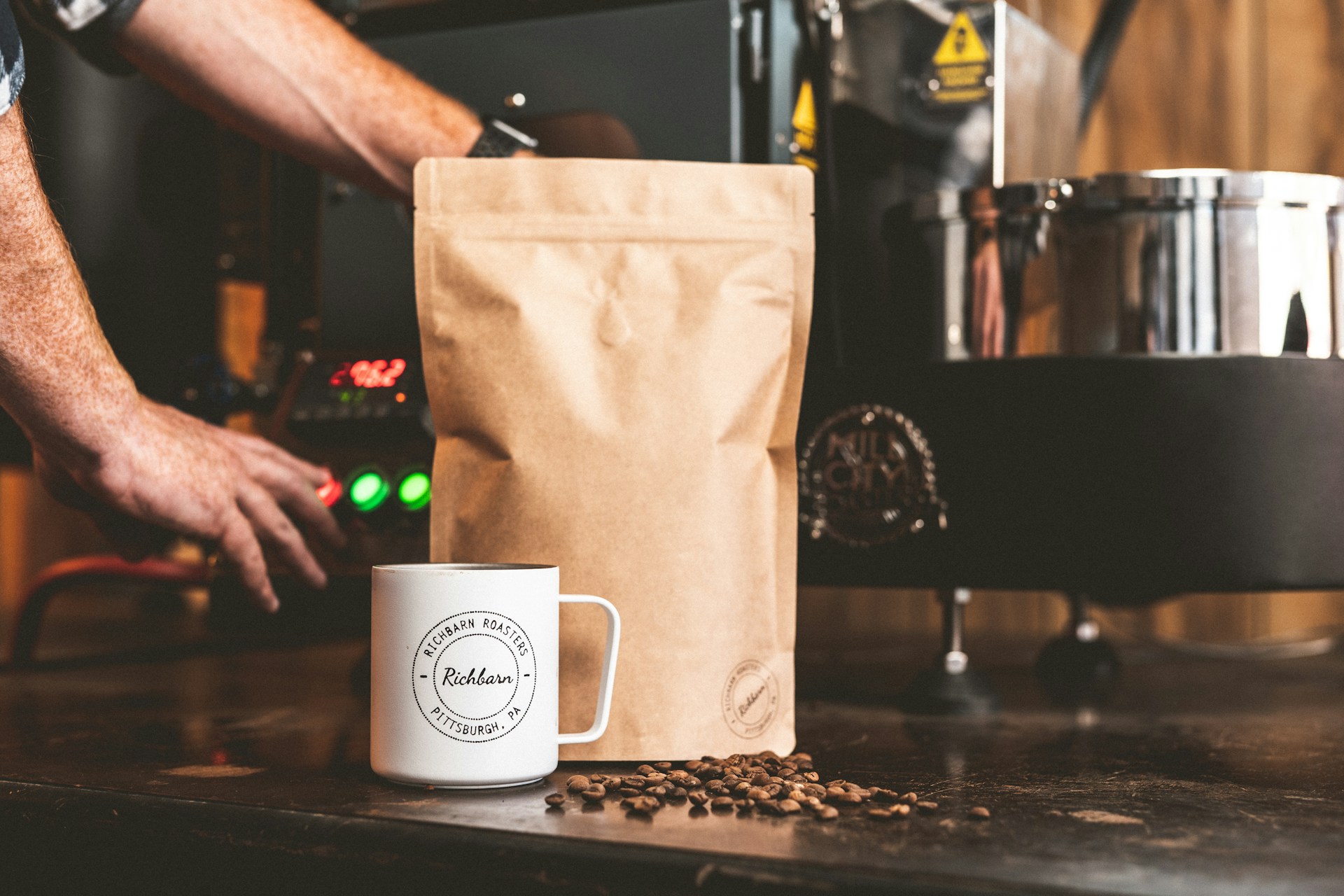
Freshly roasted coffee naturally releases carbon dioxide gas for several days or weeks after roasting. A one-way degassing valve lets this gas escape without letting oxygen back in, preventing bag swelling or bursting. Pair the valve with a strong heat-seal at the top and a reliable zipper for re-closing so customers can open and close the bag multiple times without losing freshness. Poor sealing lets air sneak in every time the bag opens, making beans stale faster. The best coffee bean packaging bags combine valves, zippers, and tight seals to keep coffee tasting as good as the day it was roasted.
2.3 Pick Insulated Cups and Secure Lids
Double-wall paper cups create an air gap between two layers of paper, which acts as natural insulation to keep hot drinks warm for 20–40 minutes longer than single-wall cups. This design also keeps the outside cooler so customers can hold the cup comfortably without a sleeve in many cases. Lids must snap on tightly with no gaps—look for sip-through lids for hot drinks and flat lids with straw holes for iced ones. Spills from loose lids or cups that cool too fast lead to unhappy customers and negative feedback. In 2026, many shops choose double-wall or triple-layer insulated cups because they perform better and feel more premium.
3. Choose Sustainable Coffee Packaging Options
Customers in 2026 expect green choices. Eco-friendly coffee packaging helps shops attract more people and follow new rules on waste.
3.1 Eco-Friendly Material Choices
Compostable hot cups made from PLA (plant-based plastic from corn or sugarcane) or bagasse (sugarcane fiber leftover after sugar extraction) break down in commercial compost facilities within months. For cold drinks, look for recycled PET or paper-based cups with water-based coatings instead of polyethylene plastic lining. Coffee bean packaging bags can use recycled kraft paper, mono-materials (single type of plastic for easier recycling), or plant-based films. These choices cut down on landfill waste and appeal to customers who check labels before buying. Many suppliers now offer full lines of certified green packaging that look and function like conventional options.
3.2 Check Certifications
Always ask suppliers to show official certifications before ordering. BPI (Biodegradable Products Institute) or OK Compost certification means the item truly breaks down in compost facilities without leaving harmful residue. FSC certification on paper products guarantees the wood comes from responsibly managed forests. For recyclable items, look for clear recycling symbols and instructions printed on the packaging. Real certifications protect your shop from “greenwashing” accusations and give customers confidence that their choice supports real environmental progress.
3.3 Balance Sustainability with Cost and Durability
Sustainable materials usually cost 15–60% more than standard ones because raw inputs and production processes are more expensive. However, many customers willingly pay a little extra or choose your shop because of eco-friendly packaging, which can increase sales enough to cover the difference. Make sure green options still deliver—no leaking cups, no weak bags that tear easily, and good heat retention. Test samples thoroughly to confirm performance matches or beats what you currently use. In the long run, sustainable coffee cups and bags often save money by building stronger customer loyalty and meeting future laws that may ban certain plastics.
4.Design Custom Packaging That Strengthens Your Brand
Custom looks turn packaging into free advertising. Every cup or bag shows the shop’s style.
4.1 Keep Branding Clear and Memorable
Use your shop logo, name, and one or two main colors so the design stays simple and instantly recognizable even from a distance. Place the most important elements (logo and name) where they appear clearly on the cup front, bag front, and lid top. Avoid crowding the surface with too much text or tiny details that blur when printed small. A clean, focused look looks professional and modern, making your brand feel trustworthy and high-quality at first glance.
4.2 Custom Printing Options
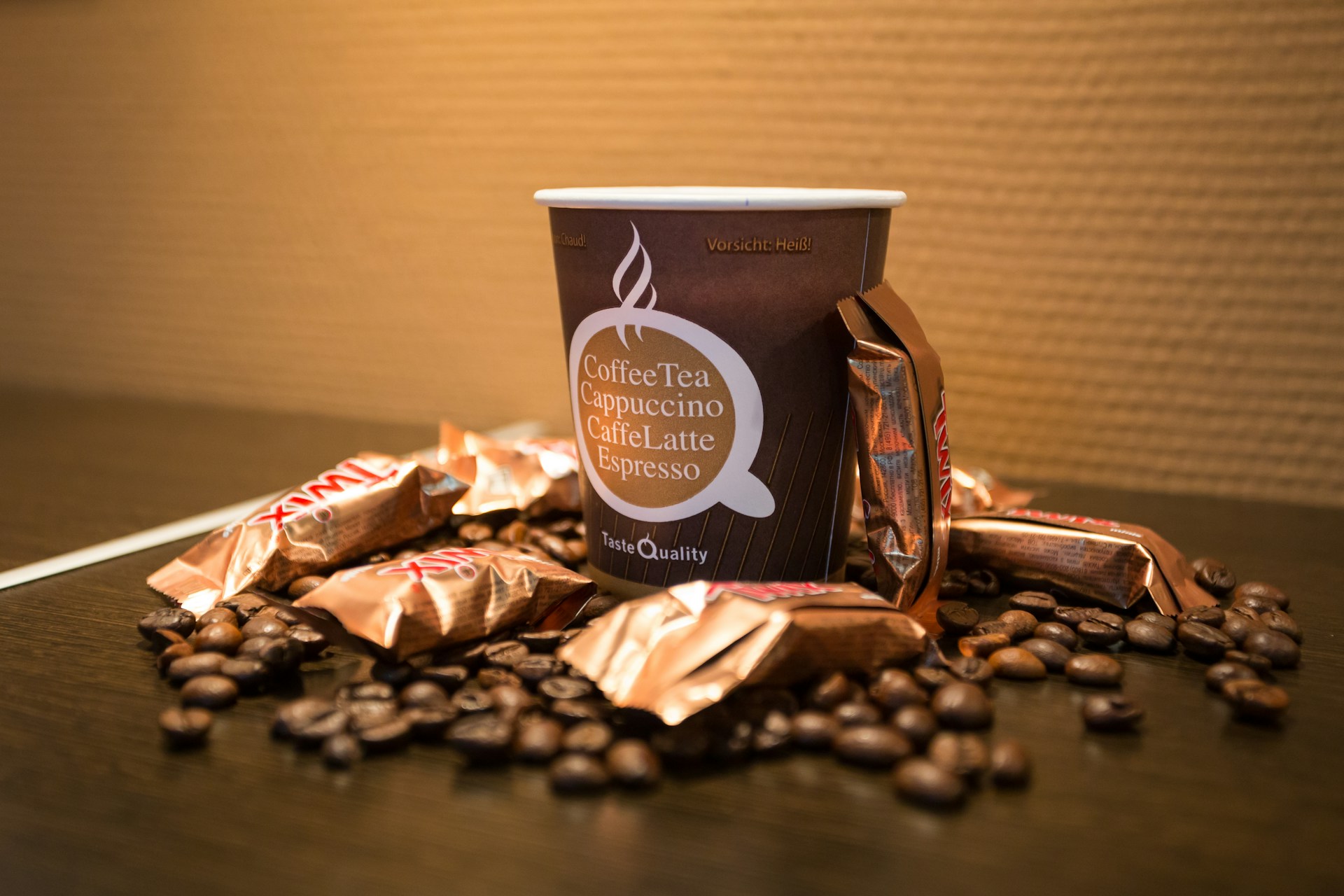
Full-color digital or flexographic printing lets you add logos, taglines, icons, or patterns exactly where you want them. Matte finishes give a soft, premium touch, while glossy looks feel bright and bold. Some suppliers offer special effects like spot UV shine on the logo, embossing for texture, or metallic foil accents for luxury appeal. Custom printed coffee cups with strong designs become walking billboards—customers carry them on trains, in offices, and at parks, showing your brand to new people every day.
4.3 2026 Coffee Packaging Design Trends
Minimalist designs with lots of white space, simple lines, and one or two accent colors remain very popular because they look clean and modern. At the same time, bold illustrations, playful hand-drawn elements, and bright seasonal colors help shops stand out and feel fun. Matte textures and soft-touch coatings give a high-end feel without high cost. Rounded shapes and friendly curves make packaging look approachable and safe. Nostalgic vintage styles mixed with eco icons appeal to both young and older customers who value authenticity and sustainability.
5. Compare Coffee Packaging Suppliers Carefully
Different suppliers offer different strengths. Compare to find reliable ones with good prices and quality.
5.1 Evaluate Custom Printing Capabilities
When evaluating custom printing capabilities, ask suppliers to provide recent coffee packaging samples and review color accuracy, fine text clarity, and how well designs wrap around curved cups. Digital printing is ideal for small to medium orders due to low setup costs and flexibility, while flexo or gravure printing suits large-volume runs with consistent quality. It’s also important to check finishing options such as matte lamination, soft-touch coating, or biodegradable inks that support your sustainability goals. Working with a one-stop packaging provider like Maibao can simplify this process, as integrated services—from design and material selection to printing and mass production—help ensure consistent quality, faster lead times, and smoother project management.
5.2 Understand Minimum Order Quantities (MOQ)
Some suppliers require 1,000 or more units per design, which can be too much for a small or new coffee shop. Others offer low MOQ starting at 200–500 pieces, especially with digital printing, making it easier to test custom designs without tying up a lot of money. Lower MOQ often means slightly higher per-unit cost, but it reduces risk if you want to try a new look or material. Ask about price breaks as quantity increases so you can plan future orders that save money when your shop grows.
5.3 Request Samples Before Mass Production
Never place a large order without first receiving and testing physical samples. Use the samples to pour real hot coffee and check how long it stays warm, whether the cup sweats or leaks, and if the lid fits securely. For bean bags, fill them with coffee, store them for a week or two, and taste-test to confirm freshness holds up. Look at printing quality under different lights and feel the material’s strength and texture. Good samples catch problems early and give you confidence the final order will perform exactly as expected.
6. Avoid Common Custom Packaging Mistakes
Many shops run into problems that hurt sales or add costs. Learn from these to choose better.
6.1 Ignoring Durability for Takeaway Orders
Some shops pick the cheapest cups or thinnest bags to save money, only to face frequent spills, soggy cups, or torn bean bags that frustrate customers. Weak takeaway packaging leads to coffee on clothes, negative online reviews, and lost repeat business. Always test how materials hold up under heat, moisture, and movement before committing. Strong takeaway coffee packaging might cost a bit more upfront but prevents costly complaints and builds trust with every safe delivery.
6.2 Choosing Overly Complex Designs
Designs with ten colors, tiny text, gradients in every corner, or photos that wrap fully around cups often look amazing on a computer screen but print poorly or cost much more. Complex artwork raises printing setup fees, increases the chance of color mismatches, and makes small runs unaffordable. Simple, bold designs with 2–4 colors print cleaner, cost less, and remain readable even when the cup is held at arm’s length. Keep artwork straightforward so it looks great in real life and stays within budget.
6.3 Failing to Plan Storage and Inventory
Poorly planned packaging creates clutter in small backrooms or under counters. Cups or bags that do not stack neatly take up extra space, make restocking slow, and lead to damage from crushing. Heavy or oddly shaped boxes are hard for staff to move and lift safely. Measure your storage area and choose packaging that stacks flat, nests well, or comes in compact cases. Good storage planning keeps your kitchen running smoothly and reduces waste from crushed or dusty stock.
7. Coffee Packaging Trends in 2026
Sustainability remains the biggest trend—almost every new packaging launch in 2026 focuses on compostable, recyclable, or biodegradable materials that perform like traditional options. Minimalist designs with clean typography, plenty of white space, and subtle earth-tone colors continue to dominate because they look modern and premium. Stand-up pouches with matte finishes, window panels to show beans, and easy-tear notches make bean packaging more user-friendly. Some brands experiment with unique shapes like rounded-edge cans or hexagonal boxes for gift sets. Interactive elements, such as QR codes linking to brewing tips or farm stories, add value without extra cost.
Overall, 2026 packaging balances eco-responsibility, strong functionality, and simple, memorable branding that feels approachable yet professional. For coffee shops looking to stay competitive, investing in the right custom coffee packaging solutions can turn everyday cups and bags into powerful brand-building tools.
8. Frequently Asked Questions (SEO-Optimized FAQ)
8.1 What is the best material for hot coffee cups?
Double-wall paper with plant-based liners like PLA or bagasse works best. It insulates well, holds heat, and feels comfortable. Many are compostable, making them a top eco choice in 2026.
8.2 How much does custom coffee packaging cost?
It depends on material, design, and quantity. Basic starts low for small runs, while sustainable or printed options cost more. Bulk lowers per-unit price—get quotes for exact details.
8.3 Can small coffee shops afford custom packaging?
Yes—suppliers offer low MOQ starting at 200-1000 units. This makes custom coffee packaging possible for small shops without big money upfront. Grow orders as the business gets bigger.
8.4 How long does custom coffee packaging production take?
Digital prints take 1-4 weeks, including proofs. Complex custom or rotogravure can take 4-8 weeks. Low MOQ options often ship faster—plan for samples and approval time too.
8.5 What is the minimum order quantity for custom coffee packaging?
It ranges from 200 for digital low-MOQ to 1000+ for traditional. Many help small shops with flexible starts—check suppliers for the best fit.
Post time: Feb-24-2026