

Every food business faces the same hidden challenge: how to deliver meals that arrive hot, fresh, and visually appealing—without driving up costs or creating waste. Whether you run a café, a restaurant, or a multi-location chain, choosing the wrong packaging can lead to spills, soggy food, customer complaints, and lost repeat business. That’s why working with the right Food Packaging manufacture and selecting smart food packaging solutions is no longer optional—it’s a competitive advantage.
This guide breaks down how different food service industries can choose the best restaurant packaging and takeout packaging solutions based on service style, menu structure, and sustainability goals—helping you improve performance, reduce risk, and stay compliant without sacrificing quality or profit.
1. Packaging Solutions for Cafes and Coffee Shops
Cafes and coffee shops require lightweight, functional packaging that handles high volumes of takeaway drinks and snacks while appealing to eco-conscious customers through sustainable options.
1.1 Beverage Packaging for Hot and Cold Drinks
Double-walled paper cups with PLA or water-based linings serve as the go-to choice for hot coffee and tea in cafes. These provide reliable insulation to keep drinks warm for 20–30 minutes without needing extra sleeves in most cases. Lids made from PLA, bagasse fiber, or rigid paperboard create a secure, spill-resistant seal even when cups are tilted or jostled. For cold beverages like iced lattes, clear PET cups or paper versions with transparent windows showcase layered drinks and vibrant colors effectively. Compostable sleeves from recycled paper protect hands from heat on hot cups and condensation on cold ones, adding both comfort and a professional finish. These coffee shop packaging choices help maintain drink quality while supporting recyclability in many municipal programs.
| Drink Type | Recommended Packaging | Key Features |
|---|---|---|
| Hot coffee | Double-wall paper cup + secure lid | Heat retention, anti-scald, leak-resistant |
| Iced drinks | Clear plastic cup + flat/dome lid | Condensation resistance, visibility |
| Milk tea | Sealed cup + straw lid | Spill prevention, portability |
1.2 Snack and Pastry Packaging
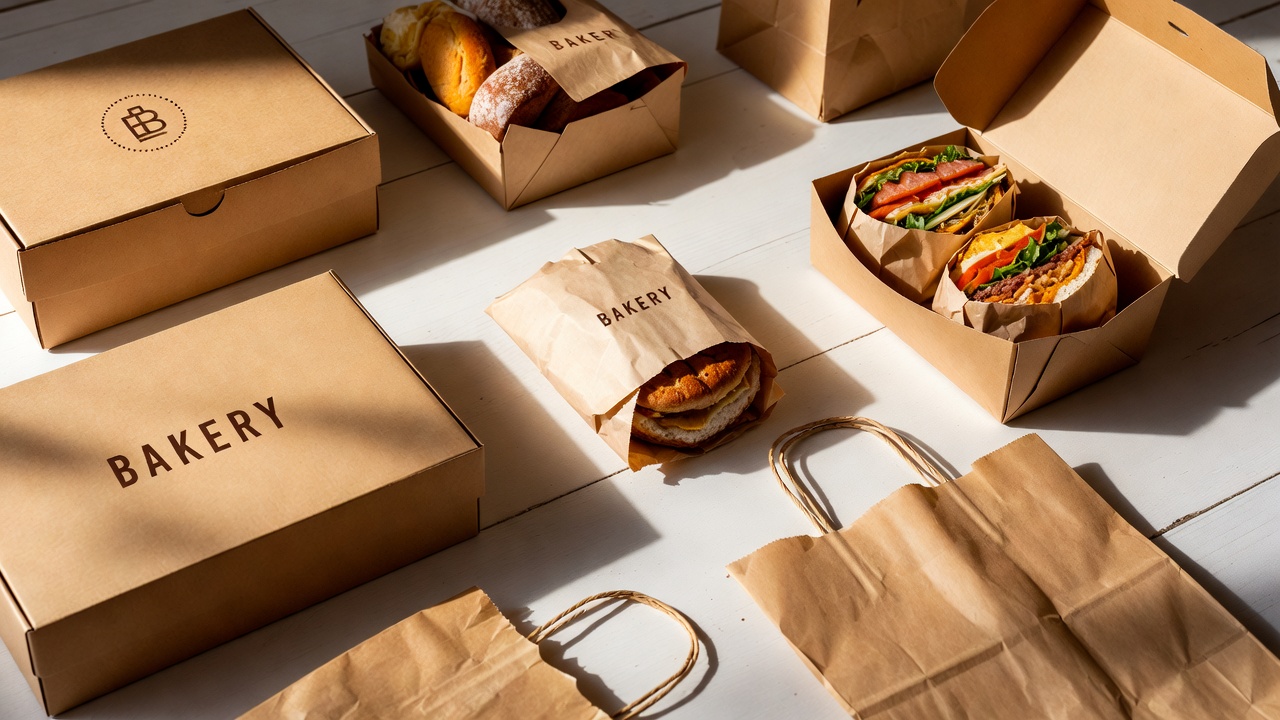
Kraft paper bag featuring a light grease-resistant lining work well for muffins, cookies, croissants, and simple sandwiches sold in cafes. These bags fold compactly, accept high-quality custom printing for logos, and convey a premium feel over basic plastic alternatives. For greasier items like buttery pastries, molded pulp trays or bagasse clamshells offer stronger oil resistance and better shape retention to avoid sogginess. Windowed paper boxes allow customers to view fresh-baked goods at the counter, boosting impulse buys without opening the package. Compostable versions of these materials cost only slightly more than traditional ones, making the switch feasible for small operations. This approach ensures food packaging solutions remain practical and brand-aligned for quick-serve environments.
1.3 Sustainable Packaging Trends for Cafes
Sustainability has become a major priority in the cafe industry. Many businesses are shifting toward sustainable food packaging, such as paper-based cups, compostable lids, and plastic-free cutlery. These materials reduce environmental impact and align with consumer expectations for responsible practices. Some cafes also promote reuse programs or offer incentives for customers who bring their own cups. Adopting eco-friendly packaging not only supports the environment but also enhances brand reputation.
| Material | Recyclable | Compostable | Common Uses |
|---|---|---|---|
| Molded fiber | Yes | Yes | Food trays, containers |
| PLA plastic | No | Yes (industrial composting) | Cold cups, lids |
| Kraft paper | Yes | No | Bags, food boxes |
2. Takeout and Dine-In Packaging for Independent Restaurants
Independent restaurants need versatile, durable packaging for varied menus, ensuring food arrives hot, fresh, and appealing after short trips.
2.1 Containers for Hot and Saucy Dishes
Hot and saucy dishes require containers that can withstand heat, moisture, and pressure during transport. Packaging for hot food should be microwave-safe, leak-resistant, and sturdy enough to handle stacking. Using leak-proof food containers is especially important for soups, curries, and noodle dishes, where spills can quickly ruin the customer experience. Tight-fitting lids and reinforced edges reduce the risk of leaks and contamination. These features help restaurants maintain food quality and protect their brand reputation.
| Container Type | Suitable Dishes | Key Benefits |
|---|---|---|
| PP plastic containers | Soups, curries, noodles | Heat-resistant, leak-proof, microwave-safe |
| Molded fiber containers | Rice dishes, stir-fries | Eco-friendly, good heat retention |
| Aluminum trays | Baked foods | Oven-safe, high heat tolerance |
2.2 Packaging for Cold and Fresh Items
Cold items such as salads, desserts, and seafood require packaging that maintains freshness and visual appeal. Packaging for cold food should offer clear visibility, tight seals, and resistance to condensation. Containers must also prevent moisture from affecting textures, especially for leafy greens or chilled sauces. Lightweight, stackable designs improve storage and transport efficiency. Proper cold food packaging ensures that freshness and presentation are preserved from kitchen to customer.
2.3 Best Practices for Mixed Orders
Mixed orders that include both hot and cold items present unique packaging challenges. Without proper separation, temperature transfer can cause hot foods to cool too quickly or cold foods to warm up. Mixed order packaging solutions, such as compartment containers and insulated carriers, help maintain temperature balance. Moisture barriers also prevent steam from affecting crisp or cold items. These practices ensure that every item in the order arrives in its intended condition.
| Challenge | Packaging Solution |
|---|---|
| Temperature interference | Use compartment containers or separate packaging |
| Moisture causing sogginess | Use vented lids or moisture-resistant coatings |
| Flavor mixing | Use sealed compartments |
3. Scalable Packaging Solutions for Chain Restaurants and Fast Food
Chains require uniform, high-volume packaging that reinforces brand identity, streamlines supply chains, and meets sustainability targets.
3.1 Standardized Materials and Designs
Mono-material constructions, such as all-paperboard boxes or single-polymer plastics, simplify recycling for end-users and facilities alike. Custom printing in brand colors and logos turns every container into ongoing marketing. Recycled content of 30–50% integrates seamlessly into paper-based items without losing strength or print clarity. Lightweight, rigid formats cut supplier shipping costs and ease stacking in limited storage spaces. Uniform sizing across menu categories streamlines inventory for multi-unit operators. These standardized fast food packaging elements support operational consistency and cost control.
3.2 Examples from Major Chain Restaurants
McDonald’s has phased out many foam items in favor of fiber-based alternatives and PFAS-free wrappers across markets. Starbucks trials fiber-based cold cups and compostable lids while advancing reusable programs in select regions. Burger and pizza chains adopt recyclable kraft bags and boxes with minimal ink to reinforce eco-messages. Several brands target 100% renewable or recycled sourcing by set deadlines, piloting changes regionally before full rollout. These efforts demonstrate how major players implement restaurant packaging that balances performance, cost, and sustainability targets.
3.3 Efficiency in High-Volume Operations
Stackable containers and nested lids maximize storage density and speed restocking during rushes. Pre-folded or pre-assembled formats arrive ready for instant use, minimizing labor on busy lines. Automated dispensers release cups, lids, and boxes quickly without frequent jams. Durable materials endure repeated handling at counters or drive-thru windows. Size-marked or color-coded options help staff grab the correct item instantly. Such features make scalable packaging solutions vital for maintaining fast service in chain settings.
| Optimization Area | Operational Impact |
|---|---|
| Easy-assembly design | Reduces labor time |
| Stackable containers | Saves storage space |
| High durability | Lowers breakage and waste |
4. Specialized Packaging for Delivery Services
Delivery operations face longer transit times, requiring spill-proof, temperature-retaining solutions that integrate with platforms like Uber Eats and DoorDash.
4.1 Leak-Proof and Insulated Packaging Designs
Double-lidded containers or adhesive-sealed bags stop sauces from escaping even during tilts or bumps. Insulated liners or thermal bags sustain hot food above 60°C and cold below 5°C for 30–60 minutes of travel. Vents in hot designs release pressure without allowing liquid escape or lid failure. Reinforced corners and thicker boards resist crushing when stacked in vehicles. Built-in handles or straps ease carrying for delivery riders. These leak-proof food containers and insulated food packaging features minimize complaints and preserve meal quality.
| Function | Importance | Typical Use |
|---|---|---|
| Leak-proofing | Very high | Soups, beverages |
| Insulation | High | Hot meals, grilled foods |
| Tamper evidence | High | Third-party delivery orders |
4.2 Integration with Third-Party Delivery Platforms
Compostable or clearly recyclable food delivery packaging earns “green” tags on apps like DoorDash or Uber Eats, improving visibility. Reusable container initiatives with platform partners cut single-use waste through return-and-clean cycles. Guidelines promote tamper-evident features and temperature retention to lower dispute rates. Data indicates sustainable options often link to higher ratings in competitive areas. Participation boosts promotional exposure for participating restaurants. This integration aligns takeout packaging solutions with platform incentives effectively.
4.3 Solving Common Delivery Challenges
Multi-compartment trays or sturdy carriers prevent orders from shifting inside larger bags during rides. Tamper-evident tape or breakaway seals provide clear evidence of unopened status. Slightly oversized insulated outer bags shield against weather extremes and temperature drops. “This side up” markings on soup or layered items guide riders to handle packages correctly. Feedback loops with delivery partners identify recurring issues quickly. Addressing these ensures reliable food delivery packaging performance across varied conditions.
5. Key Trends in Food Packaging Solutions
Across industries, sustainability drives change, with regulations pushing recyclable and compostable materials while innovation improves functionality.
5.1 Innovative and Sustainable Materials
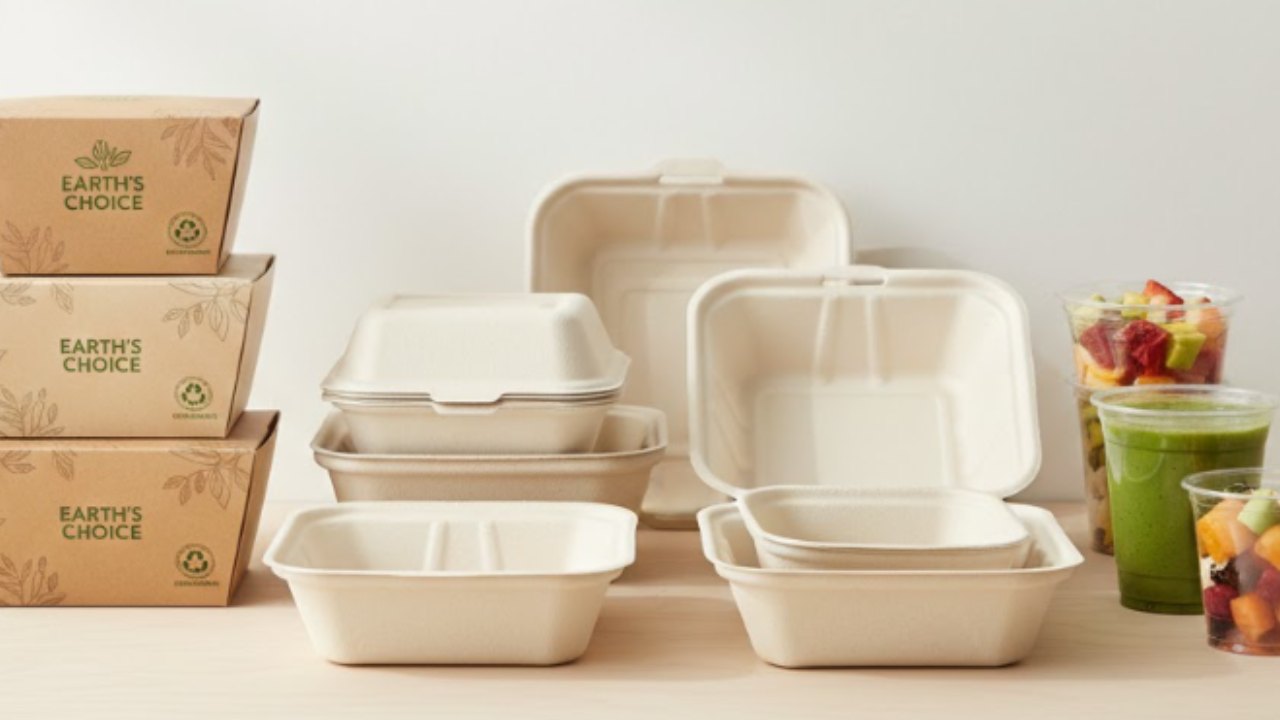
New materials such as molded fiber, plant-based plastics, and water-based coatings are reshaping sustainable food packaging. These options reduce reliance on traditional plastics while maintaining strength and heat resistance. Many businesses are also adopting compostable food packaging to support waste reduction goals. Improved material performance allows eco-friendly packaging to meet the same functional standards as conventional options. These innovations support both environmental responsibility and operational reliability.
| Material | Heat Resistance | Leak Resistance | Environmental Benefit |
|---|---|---|---|
| Molded fiber | Medium | Medium | Biodegradable, compostable |
| Plant-based plastics | High | High | Renewable raw materials |
| Coated paperboard | Medium | High | Recyclable |
5.2 Economic and Regulatory Factors
Rising material costs and stricter waste regulations are influencing packaging choices across the industry. Many regions are implementing bans or fees on certain plastics, encouraging businesses to adopt compliant alternatives. Cost efficiency remains critical, especially for high-volume operations, making material selection a strategic decision. Businesses must balance regulatory compliance with operational performance and customer expectations. These economic and regulatory forces are accelerating the shift toward more sustainable and efficient packaging systems.
6. Summary and Best Practices
Food packaging solutions work best when matched to each business type. Cafes do well with insulated lightweight cups and compostable snack packaging. Independent restaurants benefit from versatile bagasse clamshells and compartmentalized takeout packaging solutions that handle varied menus. Chains depend on standardized, high-recycled-content restaurant packaging to ensure brand consistency and operational efficiency. Delivery requires leak-proof, insulated, and tamper-evident designs for longer transit times. Across all segments, switching to compostable and recyclable materials reduces waste, meets 2025–2026 regulations, and satisfies growing customer demand for sustainability.
Key best practices include: start by auditing high-volume items, test sustainable options in small batches, separate hot and cold components, use proper vents and seals, collect regular feedback from staff and customers, and maintain close communication with suppliers to keep costs low while preserving food quality, temperature, and presentation.
| Business Type | Core Packaging Needs | Recommended Focus |
|---|---|---|
| Cafes | Beverages, spill prevention, insulation | Secure lids, eco-friendly materials |
| Independent restaurants | Hot food, leak-proofing, variety | Compartment containers, tight seals |
| Chain restaurants | Standardization, speed, consistency | Uniform sizes, easy-assembly designs |
| Delivery services | Temperature control, safety, durability | Insulated bags, tamper-evident seals |
7. Frequently Asked Questions (FAQ)
7.1 Best packaging materials for hot food
Bagasse or molded fiber containers stand out for hot takeout due to excellent heat and grease resistance while being compostable. They outperform foam in sustainability and maintain food quality during transport.
7.2 Compostable vs recyclable packaging
Compostable materials break down in facilities or home compost without microplastics, suiting organic waste streams. Recyclable options fit closed-loop systems where collection exists. Both cut impact compared to conventional plastics, with choice depending on local infrastructure.
7.3 Affordable sustainable packaging for small businesses
Focus on bulk purchases for high-turnover items like cups or boxes to lower unit costs. Many suppliers offer entry-level compostable lines. Customer premiums for eco-friendly options often cover added expense, and starting small builds momentum.
7.4 Packaging for mixed hot and cold delivery orders
Use compartmentalized trays or separate insulated sections. Ventilated hot containers reduce condensation, while sealed cold ones prevent sogginess. Insulated bags extend overall quality during delivery.
Post time: Feb-10-2026