

Terms like biodegradable and compostable are often used as if they mean the same thing, yet they lead to very different outcomes. Some products leave behind microplastics, while others only break down under specific composting conditions that most users never reach. This confusion affects brands, consumers, and even Eco-Friendly Packaging suppliers, making it harder to choose truly responsible materials.
Understanding compostable vs biodegradable is no longer a small detail — it directly impacts waste systems, sustainability goals, and real environmental results.
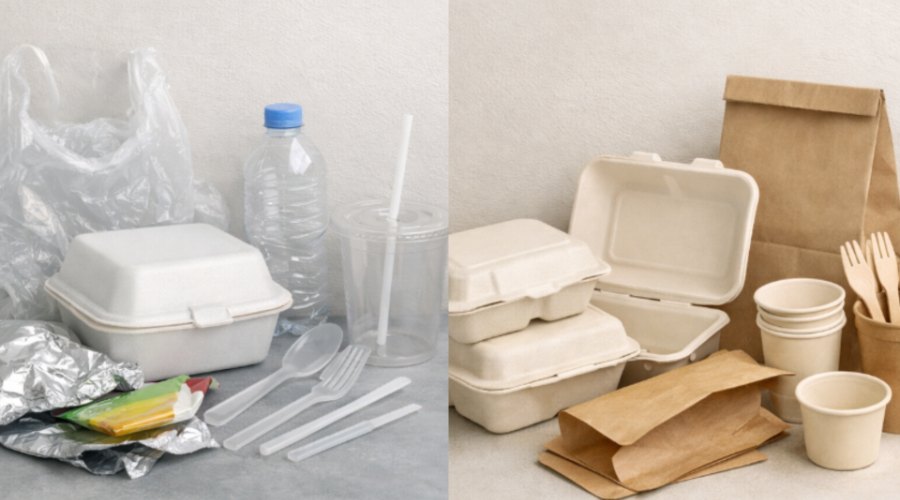
1. What Does “Biodegradable” Really Mean?
1.1 How biodegradable materials break down
Many people ask: what does biodegradable really mean?
A biodegradable material is something that can be broken down by microorganisms such as bacteria and fungi. These organisms feed on the material and slowly turn it into smaller substances.
Common biodegradable items include:
- Food scraps
- Paper
- Some plant-based materials
- Certain plastics labeled as biodegradable
However, the word “biodegradable” only tells part of the story. It does not explain how fast the material breaks down, what conditions are required, or whether harmful residues remain.
1.2 Why “no time limit” is a major problem
The biggest issue with the term “biodegradable” is that there is no legal or standard time limit for how long the breakdown should take. Some products labeled biodegradable might fully disappear in a few months, while others can take 5, 10, 50, or even hundreds of years. Manufacturers can use the word very loosely because no international standard forces a specific timeframe. This means a plastic bag labeled “biodegradable” could still be sitting almost unchanged in a landfill decades later. Without a clear deadline, the label becomes more of a marketing word than a reliable promise. That’s why many environmental experts say the term is often misleading to ordinary shoppers.
1.3 The hidden risk of microplastics
When biodegradable materials break down too slowly or incompletely, they frequently turn into thousands of tiny plastic fragments called microplastics instead of disappearing completely. These pieces are usually smaller than 5mm and can stay in soil, rivers, lakes, and oceans for a very long time. Animals mistake them for food, birds and fish eat them, and the particles can move up the food chain to reach humans. Microplastics have been found in drinking water, salt, and even in human blood and lungs. Because of this risk, many scientists now argue that calling something “biodegradable” does not automatically make it safe or truly eco-friendly.
2. What Makes “Compostable” Different — and Stricter
2.1 Must turn into real compost, not just smaller fragments
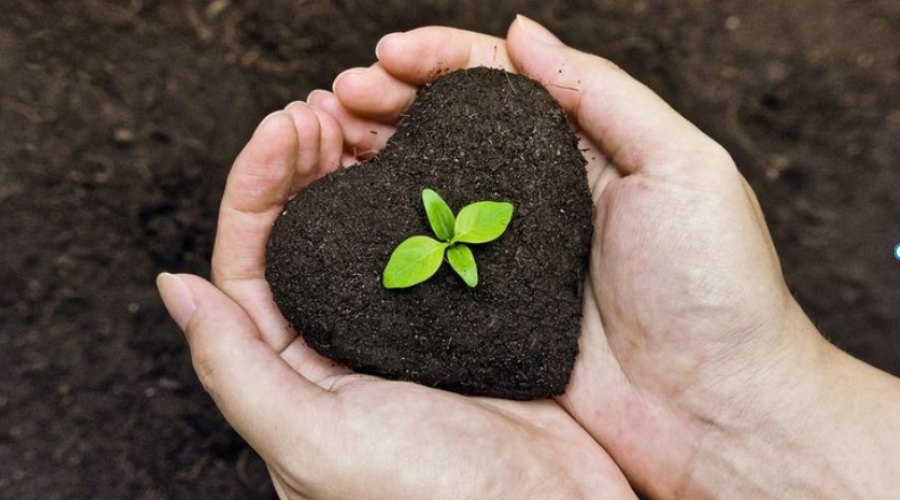
Compostable packaging has to do much more than simply break apart. It must completely decompose into nutrient-rich compost — the dark, crumbly soil-like material that gardeners love and that helps plants grow strong. At the end of the process, there should be no visible pieces left and no harmful chemicals remaining in the compost. This final product is safe to use on farms, gardens, and forests without causing pollution. The goal is not just disappearance, but actually creating something useful and positive for nature. That is the core difference that makes compostable a much stricter category.
2.2 The four core certification requirements
To be officially called compostable, a product must pass four main scientific tests set by international standards.
- First, at least 90% of the material must biodegrade into natural elements like carbon dioxide, water, and biomass within a set time.
- Second, it must physically disintegrate — meaning no large pieces are left after composting.
- Third, the resulting compost must pass an ecotoxicity test showing it does not harm plants or soil life.
- Fourth, the whole process usually must finish within about 180 days in industrial composting conditions.
These strict rules make sure the claims are real and measurable.
2.3 Most recognized compostable certifications worldwide
The most trusted certifications include BPI (Biodegradable Products Institute) in North America, which uses the ASTM D6400 standard for industrial composting. In Europe, the EN 13432 standard is common, often shown with the “Seedling” logo from TÜV Austria. You may also see “OK compost INDUSTRIAL” for commercial facilities or the newer “OK compost HOME” for backyard composting. These labels mean independent labs have tested the product many times. When you see one of these marks, you can feel confident the item will actually perform as promised under the right conditions.
3. Industrial vs Home Composting: What’s the Real Difference?
3.1 Industrial composting: high heat, fast, widely available
Industrial (or commercial) composting facilities are large professional plants that control temperature, moisture, oxygen, and turning of the piles. They keep the compost heap very hot — usually between 55°C and 70°C — which speeds up the breakdown dramatically. Most certified compostable packaging, such as PLA cups, cutlery, and many bags, is designed specifically for these hot conditions. In such facilities, items typically break down completely within 90–180 days. Many cities in developed countries now have industrial composting programs that collect food scraps and compostable packaging together.
3.2 Home composting: lower heat, slower, limited materials
Home composting happens in backyard bins or piles where the temperature usually stays much cooler — often only 20–40°C depending on weather and how well the pile is managed. Because of the lower heat, breakdown is slower and less complete for many materials. Only a small number of products earn the special “OK compost HOME” certification, meaning they can fully decompose in a normal home compost bin within about one year. Most PLA and other common bioplastics do not work well at home temperatures and may leave small pieces behind.
3.3 Why composting labels matter more than you think
Putting the wrong item in the wrong compost system creates real problems. Industrial-only certified products added to a home bin often fail to break down properly and can contaminate the finished compost. On the other hand, home-certified items usually work fine in industrial facilities too. Checking the exact label prevents waste, avoids contamination of compost streams, and makes sure the environmental benefit actually happens. The small difference in wording on the label can decide whether an item helps the planet or causes new problems.
4. Common Materials Used in Compostable Packaging
4.1 Common Materials Used in Compostable Packaging
PLA, or polylactic acid, is one of the most popular compostable plastics today. It is made by fermenting plant sugars from corn, sugarcane, or cassava into lactic acid, then turning that into a strong, clear plastic. PLA works well for cold drink cups, salad containers, and disposable cutlery because it looks and feels similar to regular plastic. It is fully compostable in industrial facilities that reach high temperatures. However, PLA is quite brittle and not suitable for very hot foods unless specially treated.
4.2 PBAT: the flexible compostable polymer
PBAT (polybutylene adipate terephthalate) is a flexible, stretchy bioplastic often blended with PLA to make stronger bags, films, and food packaging. It improves toughness so that compostable bags don’t tear easily when carrying groceries or takeout. Like PLA, PBAT is designed to break down completely in industrial composting conditions within the standard 180-day period. The combination of PLA and PBAT creates many of the practical compostable items we see in supermarkets and cafes today.
4.3 Bagasse, paper pulp, and other natural fibers
Bagasse is the fibrous leftover material after sugarcane is crushed to extract sugar. It is pressed into sturdy plates, bowls, clamshell boxes, and trays that can handle both hot and greasy foods very well. Other natural fibers like bamboo, palm leaves, and wheat straw are also widely used for similar products. These fiber-based materials often work in both industrial and home composting systems. They require fewer processing steps than bioplastics and usually leave very little environmental footprint.
5. Five Common Myths About Biodegradable and Compostable Products
5.1 “Biodegradable means it’s safe in the ocean”
Many people believe biodegradable products will safely disappear if they end up in the sea. In reality, very few biodegradable plastics are designed or certified to break down in cold, salty, low-oxygen ocean water. Most simply break into smaller and smaller pieces — creating microplastics that harm marine animals for decades. Only a handful of rare, specially engineered materials have marine biodegradation certification, and they are not common in everyday packaging.
5.2 “All compostable items work in my backyard bin”
This is one of the most widespread misunderstandings. The majority of compostable plastics and packaging carry the “industrial composting” label only and require high heat to break down properly. When placed in a typical home compost pile, they often remain largely intact or leave visible fragments. Only products with the specific “HOME” compost certification are reliable for backyard use. Always read the fine print on the label before adding anything to your home compost.
5.3 “It will break down in a landfill”
Landfills are dark, dry, and almost completely lacking oxygen — the opposite of good composting conditions. Even certified compostable items usually stop breaking down when buried deep in a landfill. Many studies show compostable plastics can remain recognizable for years in these low-oxygen environments. This is why proper collection and composting programs are essential; otherwise the environmental benefit is mostly lost.
5.4 “Compostable products are always better than plastic”
While compostable options are usually much better than ordinary plastic, they are not a magic solution. Producing them still uses resources, energy, and land (especially for plant-based materials). If people continue buying and throwing away huge numbers of single-use items, the overall impact remains negative. The most eco-friendly choice is always to reduce consumption first, reuse when possible, and use compostable only when single-use is unavoidable.
5.5 “Certifications don’t really matter”
Some shoppers think all “green” labels are basically the same or just marketing tricks. In truth, third-party certifications like BPI, TÜV OK compost, and Seedling involve rigorous, repeated lab testing that ordinary claims cannot match. Without certification, a product might be called compostable or biodegradable even if it fails basic breakdown tests. Trusted labels give consumers real assurance that the product will perform as promised.
6. Compostable vs Biodegradable: Which One Is Actually Better for the Planet?
6.1 Long-term environmental impact comparison
When looking at the full life cycle, certified compostable packaging generally has a much lower long-term negative impact than most biodegradable options. Compostable items turn waste into valuable soil nutrients, reduce methane emissions from landfills, and avoid creating persistent microplastics. In real-world waste systems, the difference between compostable vs biodegradable packaging often determines whether materials become valuable compost or long-term pollution. Biodegradable products, on the other hand, often fragment without fully disappearing, leaving pollution behind for decades or centuries.
6.2 Why correct disposal matters more than material alone
Even the most perfectly designed compostable product provides almost no benefit if it ends up in regular trash, landfill, or recycling bins. The material only delivers its promised environmental advantage when it reaches the correct composting facility or home compost system. Without proper collection infrastructure and consumer awareness, both compostable and biodegradable packaging can become just another form of waste. Education and convenient composting programs are as important as choosing the right material.
6.3 When neither option is the best choice
In many situations, neither compostable nor biodegradable packaging is the ideal solution. The single best action for the planet is to eliminate unnecessary single-use items completely. Reusable containers, cloth bags, metal straws, and refill systems create far less waste overall. When single-use is truly needed (for example, hygiene or food safety), certified compostable with access to proper facilities is usually the next best step. Reducing total consumption always comes before choosing between different “green” materials.
7. Compostable vs Biodegradable: Key Differences at a Glance
To make the differences easier to understand at a glance, the table below compares compostable and biodegradable packaging across key factors.
| Feature | Compostable Packaging | Biodegradable Packaging |
| Breakdown result | Turns into compost | Breaks into smaller pieces |
| Time frame | Must meet strict time limits | No required time limit |
| Residue | No toxic residue | May leave microplastics |
| Certification | Required | Usually not required |
| Disposal | Composting systems | Landfill, environment, or compost |
| Best use | Food service, packaging | Limited packaging applications |
This table highlights the core differences between compostable plastic vs biodegradable plastic and helps clarify decision-making.
8. Key Takeaways
- What does biodegradable really mean? It means a product can break down, but not necessarily in a helpful or timely way.
- Industrial composting vs home composting matters because not all compostable products work at home.
- Compostable packaging materials such as PLA, PBAT, and bagasse are designed to return safely to nature.
- Compostable certification standards make compostable claims reliable.
- Is biodegradable plastic really eco friendly? Often no — especially when microplastics are involved.
Learning composting basics and how to compost properly is just as important as choosing the right packaging.For readers who want to go deeper into composting basics and waste sorting, this guide to sustainable packaging solutions offers practical next steps.
9. Frequently Asked Questions (FAQ)
9.1 Can biodegradable products go in the compost?
In most cases, no. Unless a product is certified compostable, biodegradable packaging should not be placed in compost bins.
9.2 How can someone tell if something is truly home-compostable?
Look for labels such as “OK Compost HOME” or “Home Compostable.” Products labeled only as “compostable” often require industrial composting.
9.3 Do compostable plastics break down in the ocean?
No. Compostable plastics are designed for composting environments, not marine ecosystems. They may persist in water for long periods.
9.4 Are compostable products better than recyclable ones?
Not always. Recycling is often better for materials like glass, metal, and some plastics. Composting is best for food-soiled packaging and organic waste.
9.5 Why should businesses care about compostable vs biodegradable packaging?
Choosing the right packaging:
- Choosing the right packaging:
- Reduces waste
- Avoids misleading environmental claims
- Supports sustainability goals
- Improves environmental performance
Post time: Jan-20-2026