

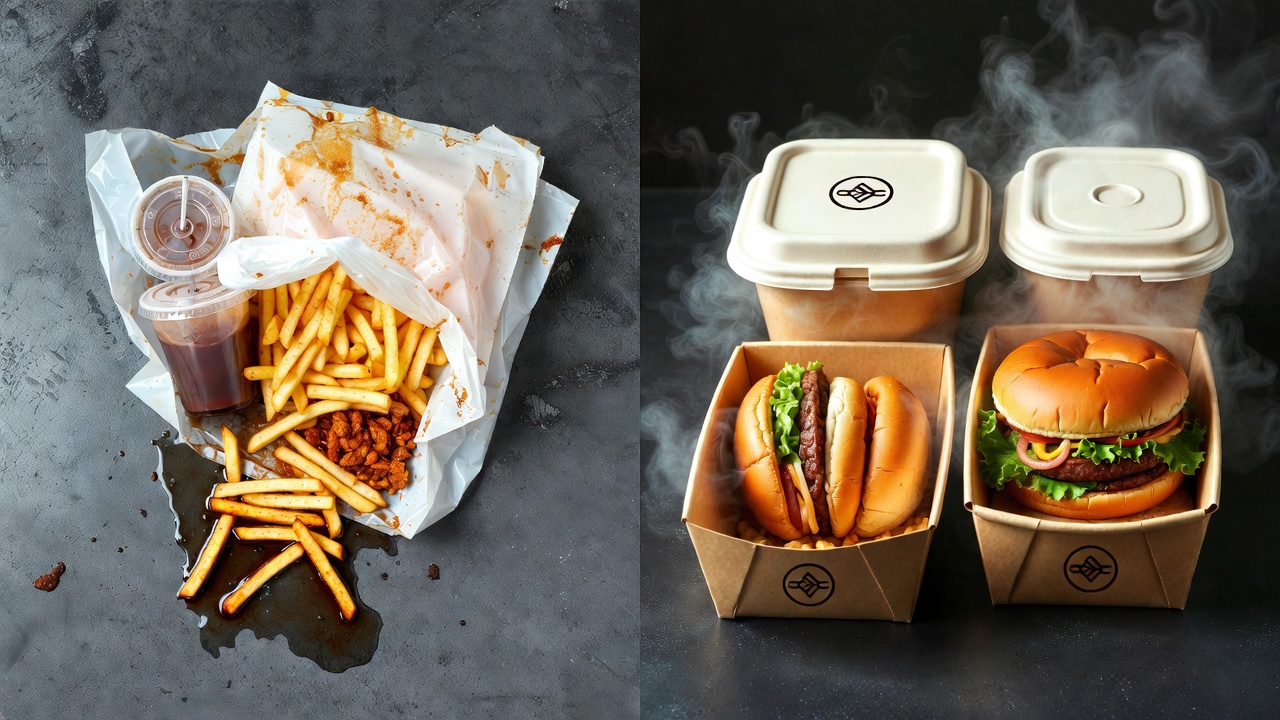
In 2026, food delivery packaging is no longer just a simple container for meals. A perfectly cooked meal can leave the kitchen looking flawless, yet arrive cold, soggy, or spilling across the bag. Customers are frustrated, complaints rise, and loyalty disappears. At the same time, restaurants face stricter environmental laws and growing demand for eco-friendly solutions. Choosing the wrong packaging can undo all the care put into the food.
Good packaging is not decoration—it is survival. It must keep hot meals steaming, cold dishes crisp, and sauces contained across long city deliveries. One weak box, and a five-star dish feels cheap and careless. That’s why working with the right Delivery Packaging supplier is crucial: they provide solutions that protect food, enhance customer experience, and help restaurants meet sustainability requirements. To understand why this matters more than ever, we first need to examine the core challenges of modern food delivery.
1. Why Food Delivery Packaging Matters in 2026
1.1 Keeping Food Fresh and Safe During Delivery
Food often travels 20 to 60 minutes—or even longer—by bike, car, or delivery bag before it reaches customers. Poor packaging can let hot food cool down, cold food warm up, or allow bacteria to grow, making meals unsafe or unpleasant. High-quality food delivery packaging uses insulation, secure seals, and leak-proof designs to keep food at the right temperature—hot soups above 140°F (60°C) and cold salads below 40°F (4°C)—meeting food safety standards. Good packaging also protects food from dust, rain, and other contamination, ensuring that what the customer receives is just as fresh and clean as when it left the kitchen.
| Food Type | Recommended Temperature | Packaging Feature |
|---|---|---|
| Hot soup | ≥140°F (60°C) | Double-layer cups, insulated bag |
| Pizza | 140–150°F (60–65°C) | Ventilated corrugated box |
| Cold salad | ≤40°F (4°C) | Ice pack, rigid container |
| Desserts | ≤40°F (4°C) | Cooling pad, clear lid |
1.2 Building Customer Trust with Quality Packaging
Customers form their first impression of a restaurant from the packaging. Clean, sturdy, and branded boxes show care and professionalism. On the other hand, torn boxes, spills, or leaks can frustrate customers, leading to bad reviews or lost orders. High-quality packaging often includes clear labels, tamper-evident seals, and appealing colors or designs, making customers feel the food is worth the price. In 2026, using sustainable takeaway packaging—like paper instead of plastic—can further boost trust, showing that a restaurant is responsible and forward-thinking.
2. Top Food Delivery Packaging Trends in 2026
2.1 Shift to Paper & Fiber-Based Food Packaging
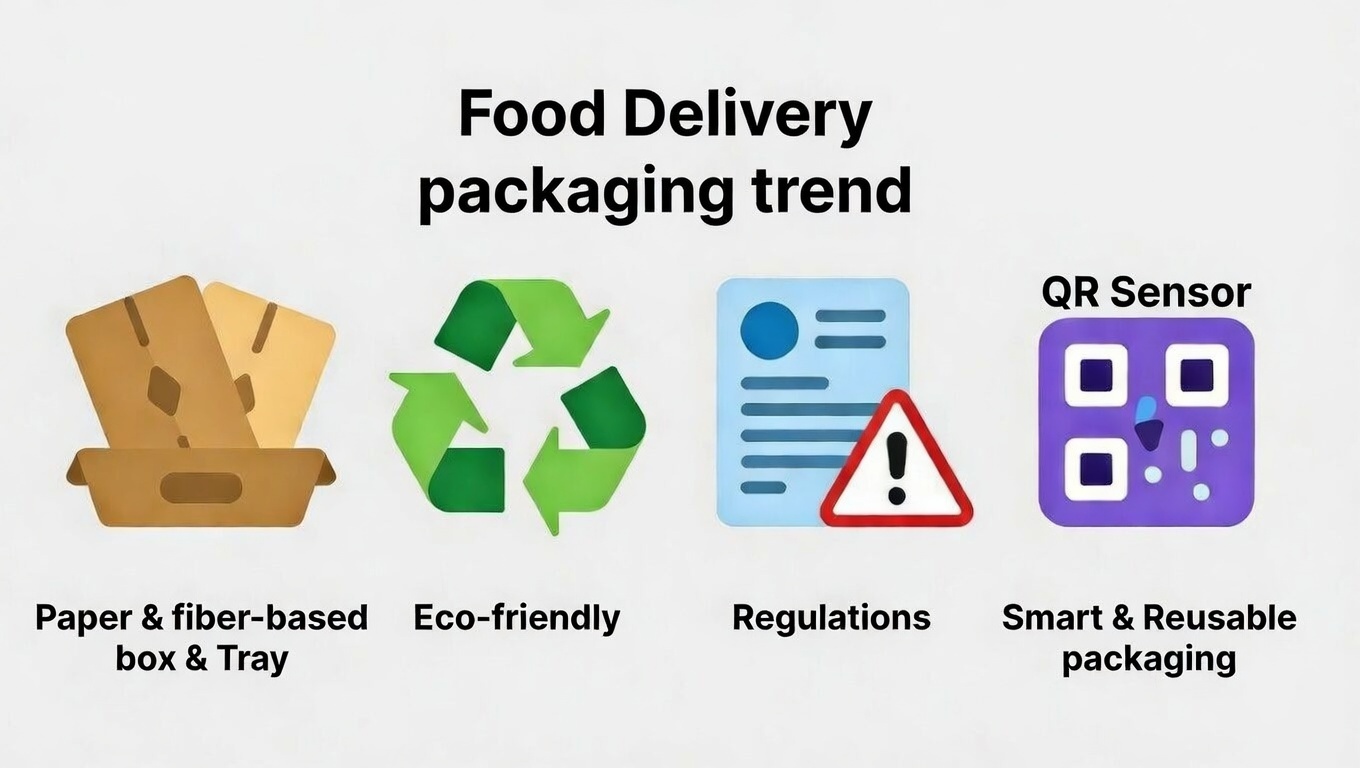
Many restaurants are replacing plastic containers and bags with paper and plant-fiber packaging. Boxes, bags, and fiber trays are made from renewable wood or recycled materials, and they break down naturally or are easy to recycle. Modern paper packaging is now oil-proof, moisture-resistant, and keeps food hot or cold almost as well as plastic. Customers dislike seeing piles of plastic waste, and major brands are leading the shift to paper. In 2026, this trend has become very clear. Paper packaging feels more natural, is easier to recycle, and gives customers the impression that the restaurant cares about the environment.
2.2 Sustainable Takeaway Packaging and Waste Reduction
Sustainability is no longer optional—it is important to both customers and governments. Many people want less single-use packaging to reduce landfill waste. Restaurants are now using lightweight, compostable, and recyclable containers that maintain strength while using fewer materials. This packaging can save restaurants money on waste disposal and attract younger, environmentally conscious customers. Some cities have even started “return and reuse” systems, where customers return containers for cleaning and reuse, further reducing waste.
2.3 New Regulations and Compliance Driving Change
In 2026, many countries have introduced new rules. Foam containers are banned in some areas, and harmful chemicals like PFAS are restricted. Laws such as Extended Producer Responsibility (EPR) in the U.S. and Europe require restaurants and brands to pay extra for hard-to-recycle packaging. Breaking the rules can lead to fines. Restaurants now have to choose compliant materials, such as single-material paper or easily recyclable designs. These regulations push the whole industry toward sustainable food delivery packaging, and those who do not comply risk penalties or losing environmentally conscious customers.
2.4 Reusable & Smart Food Packaging Innovations
Some delivery platforms and restaurants are experimenting with reusable containers. Customers return the boxes after use, which are cleaned and reused, significantly reducing long-term waste. Smart packaging is also emerging, like boxes with QR codes showing freshness or temperature sensors alerting delivery riders to prioritize certain orders. These innovations improve efficiency and food safety, especially for large platforms. Currently, they are mostly used by premium or corporate customers due to higher costs and extra logistics needs, but adoption is gradually growing.
3. Must-Have Features for Effective Food Delivery Packaging
3.1 Strong Temperature Control for Hot and Cold Foods
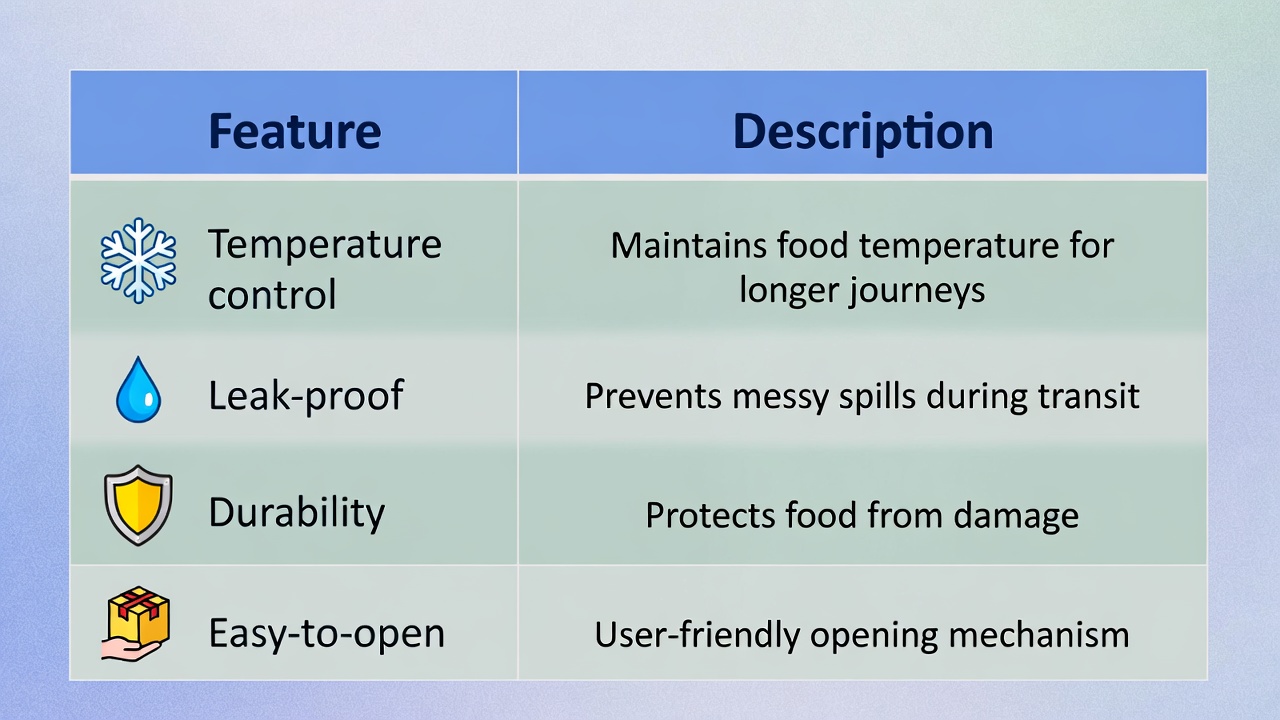
Temperature control is the most basic need for food delivery packaging. Hot meals should use insulated bags, phase-change materials, or double-layer cups to stay within safe temperatures. Cold items need ice packs or cooling pads. Fried foods benefit from vented lids to release steam and prevent sogginess, while soups require fully sealed lids to keep heat in. Proper temperature control ensures food arrives at the customer still hot, fresh, or chilled—just like it left the kitchen.
3.2 Leak-Proof Containers to Prevent Spills
Leaks are a major headache for both delivery drivers and customers. Good leak-proof containers have tight-fitting lids, reinforced seals, and inner oil- or water-resistant coatings. Dishes with curry or lots of sauce may need an extra protective layer or separate compartments. Packaging should be tested under realistic bumps and shakes to prevent spills in bags or onto other items. When leaks are avoided, deliveries are clean, and customers feel satisfied and confident.
3.3 Durable Materials That Survive Delivery
Packaging must survive pressure, drops, stacking, and moisture. Paperboard or reinforced fiber containers should not collapse, tear, or deform, even with hot soups or greasy meals. Lightweight, stackable designs help delivery drivers carry more orders while reducing damage. Durable packaging arrives looking new and high-quality, giving customers a sense of care and professionalism.
3.4 Easy-to-Use and Tamper-Evident Seals
Customers expect packaging that is simple to open without struggling. High-quality food delivery packaging includes pull tabs or easy-open designs, along with clear tamper-evident seals or locks. This gives customers confidence that their meal has not been touched, especially during contactless delivery. Easy, safe packaging shows that a restaurant is both professional and thoughtful.
4. Choosing the Right Food Delivery Packaging for Different Meals
4.1 Best Packaging for Hot Meals Like Pizza and Soups
For pizza, corrugated boxes with vents are ideal. The holes let steam escape, preventing the crust from becoming soggy. Soups need double-layered, thick paper cups with tightly sealed lids, and an extra leak-proof layer if possible. For long deliveries, using an insulated bag or foil pouch helps keep food hot. This combination ensures hot meals arrive steaming and fresh, just like they came out of the kitchen. Proper packaging protects the taste and quality, keeping customers happy and reducing complaints.
4.2 Ideal Containers for Cold Foods Like Salads and Desserts
Salads and desserts work best in containers with clear lids so customers can see the freshness immediately. The base should be sturdy to prevent leaves or cakes from being crushed. Cold items should include ice packs or cooling pads, and containers should minimize empty space to maintain low temperatures. Sauces should be packed separately in small cups or compartments to avoid soggy salads. This packaging keeps cold meals crisp, attractive, and ready to enjoy.
4.3 Handling Saucy or Greasy Foods Without Mess
Saucy or greasy dishes, like curry or braised meat with rice, are prone to leaks. The best solution is fiber trays with an oil-resistant lining or an extra grease-proof paper layer. Main ingredients and sauces should be separated in compartments to prevent soaking. Lids must fit tightly with reinforced edges to stop side leaks. Multi-layer designs lock in liquids, keeping both delivery drivers and customers clean and satisfied. Proper packaging ensures the meal is pleasant to eat and the customer feels the restaurant cares about quality.
5. How Restaurants Can Improve Food Packaging Now
5.1 Testing and Selecting Better Packaging Materials
Restaurants can run simple tests to find the best food delivery packaging. Pack a meal and simulate delivery for 30–60 minutes. Check if the temperature drops too much, if there are leaks, or if the packaging deforms. Have delivery drivers carry the packages to see how they hold up. Collect feedback from both drivers and customers to see which options work best. Try samples from different suppliers and compare them to find the packaging that fits each dish perfectly. Testing helps avoid complaints and ensures a consistent customer experience.
| Supplier | Material Type | Leak-Proof | Durability | Sustainability | Cost |
|---|---|---|---|---|---|
| Supplier A | Paperboard | ✅ | ✅ | ♻️ | $$ |
| Supplier B | Fiber | ✅ | ✅ | ♻️♻️ | $$$ |
| Supplier C | Biodegradable PLA | ✅ | ⚠️ | ♻️♻️♻️ | $$$$ |
5.2 Balancing Cost, Sustainability, and Performance
Eco-friendly packaging may cost a bit more at first, but it can save money on waste disposal and attract more customers. Restaurants can start small, replacing the most commonly used soup bowls or salad containers. Choosing lightweight, recyclable materials keeps packaging sustainable and cost-effective. In the long term, packaging that performs well and is environmentally friendly helps restaurants save money while boosting their brand reputation.
5.3 Using Custom Branding to Make Packaging Stand Out
Printing your restaurant logo, brand colors, contact info, or a fun message on packaging helps customers remember your brand. Attractive packaging often gets shared on social media, providing free marketing. Adding eco-friendly messages like “Thank you for choosing sustainable takeaway” increases customer goodwill. Unique, branded packaging helps restaurants stand out among competitors and gives customers the feeling that the restaurant cares about quality and the environment.
6. Summary of Key Food Delivery Packaging Insights
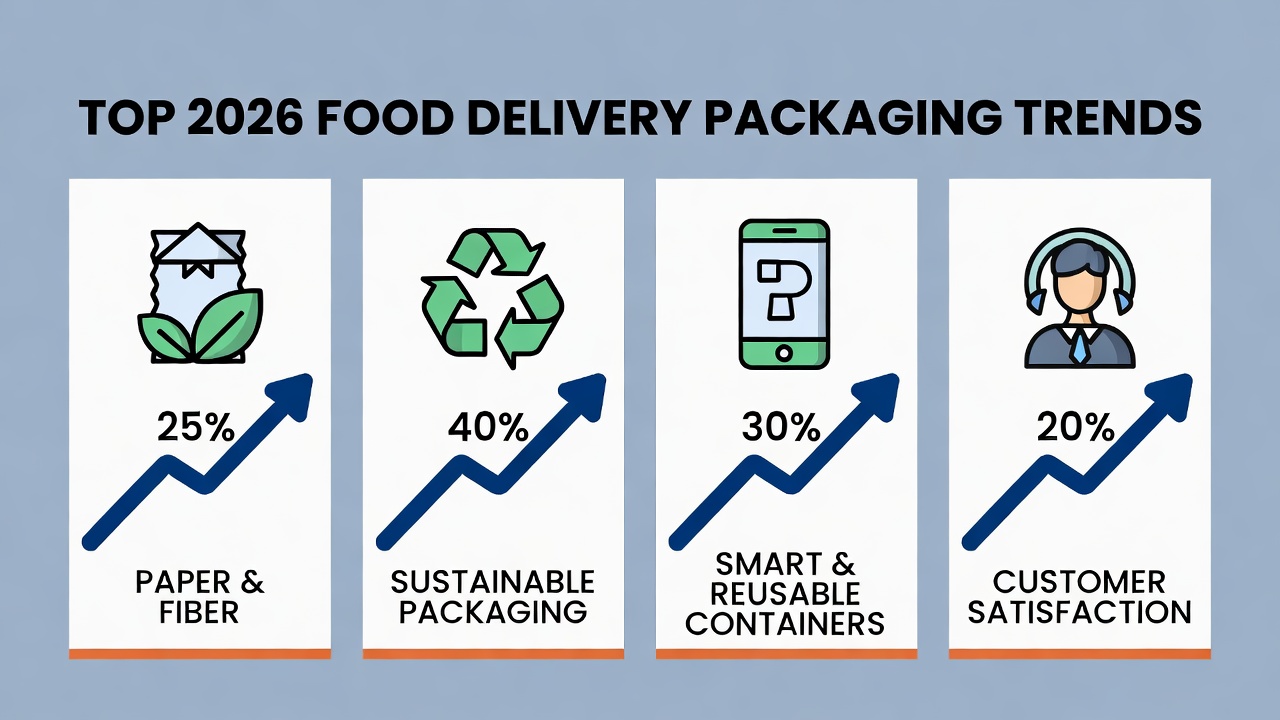
In 2026, the biggest trend in food delivery packaging is the shift to paper and fiber materials. Stricter environmental laws and growing customer interest in sustainability make this change essential. Temperature control, leak-proof design, durability, and easy-to-open, safe packaging remain the most important features.
Restaurants that carefully test packaging materials, balance cost with sustainability, and add a touch of custom branding can keep food at its best, reduce waste, and earn more loyal customers. Choosing the right packaging is not just about protection—it is about improving the customer experience and building a strong, responsible brand.
7. Frequently Asked Questions (FAQ)
7.1 What are the top food delivery packaging trends in 2026?
Paper and fiber materials take over from plastic. Sustainability rules get stricter, reusable systems grow, and smart features add tracking for freshness.
7.2 How to keep food hot or cold during delivery?
Use insulated bags, vented lids for hot items, and gel packs for cold. Seal tight, minimize air, and start with proper food temps to hold longer.
7.3 Are biodegradable containers strong enough for food delivery?
Yes, new paper and fiber versions resist grease, hold temperature, and survive trips well. They match old plastic strength while being better for the planet.
7.4 How to prevent food delivery containers from leaking?
Pick tight lids, grease-proof linings, and strong seals. Use compartments for saucy foods and test in real delivery conditions.
7.5 How to choose the best food packaging for restaurants?
Match to food type, trip length, temperature needs, cost, and local rules. Test samples, focus on eco and function balance, and add branding for appeal.
Post time: Mar-04-2026